
How hair grows, and why it starts to thin
Each hair grows from a follicle in a repeating cycle: a long growth phase that can last years, a short transition phase, and a resting phase when the hair sheds and a new one starts. At any time most of your hairs are growing, and shedding around 50 to 100 hairs a day is normal.
Thinning happens when that cycle changes. Follicles can shrink and produce finer, shorter hairs, or more hairs can enter the shedding phase at once. Understanding which of these is happening to you is the first step in choosing the right hair loss treatment, and the reason an honest consultation matters more than any product.
The most common causes of thinning hair in men and women
Most thinning hair in adults falls into a few patterns. Knowing yours helps set realistic expectations for PRP hair regrowth.
- Male pattern thinning: a receding hairline and thinning crown, driven by genetics and hormones.
- Female pattern thinning: a widening part and overall loss of density on top, often starting in the 40s or around menopause.
- Shedding after stress, illness or surgery: a sudden increase in shedding two to three months after a stressful event, which usually recovers.
- Postpartum shedding: heavy shedding a few months after pregnancy as hormones reset.
- Hormone and thyroid changes: perimenopause, menopause, thyroid imbalance and low testosterone or estrogen can all affect hair.
- Nutrition gaps: low iron, protein or vitamin levels, sometimes after rapid weight loss.
- Tension and styling: tight ponytails, extensions and heat damage along the hairline.
What PRP is and how PRP hair restoration works
PRP stands for platelet-rich plasma. Platelets are tiny cells in your blood best known for clotting, but they also carry growth factors, proteins that signal tissues to repair and regenerate. To make PRP, a small amount of your blood is drawn, much like a routine lab test, then spun in a centrifuge to separate and concentrate the platelet-rich plasma.
That concentrated PRP is then injected into areas of the scalp where hair is thinning. The growth factors are thought to support weakened follicles, extend the growth phase of the hair cycle and improve blood supply to the follicle. Because PRP comes from your own body, allergic reactions are very unlikely. PRP hair restoration is minimally invasive, with no surgery or recovery period.
Real results
PRP Hair Restoration before & after at KC Injectables Med Spa
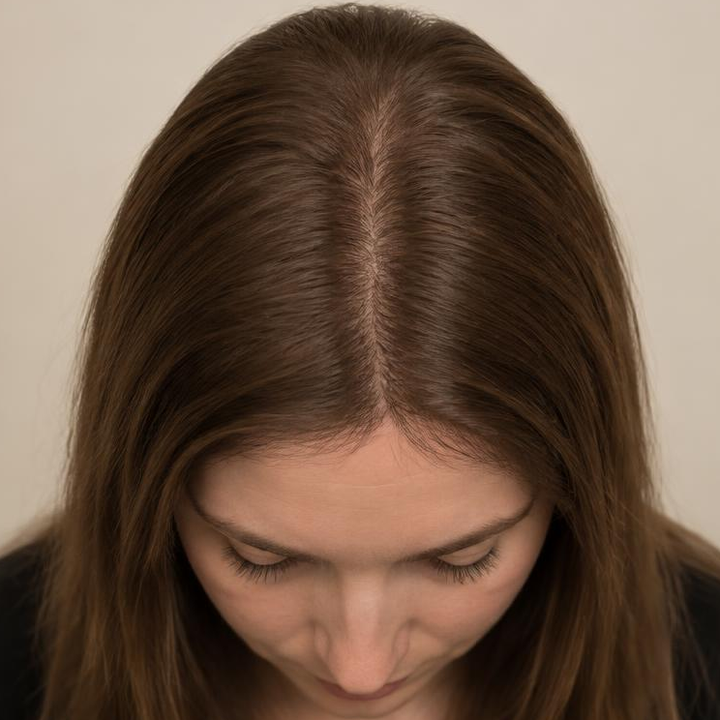
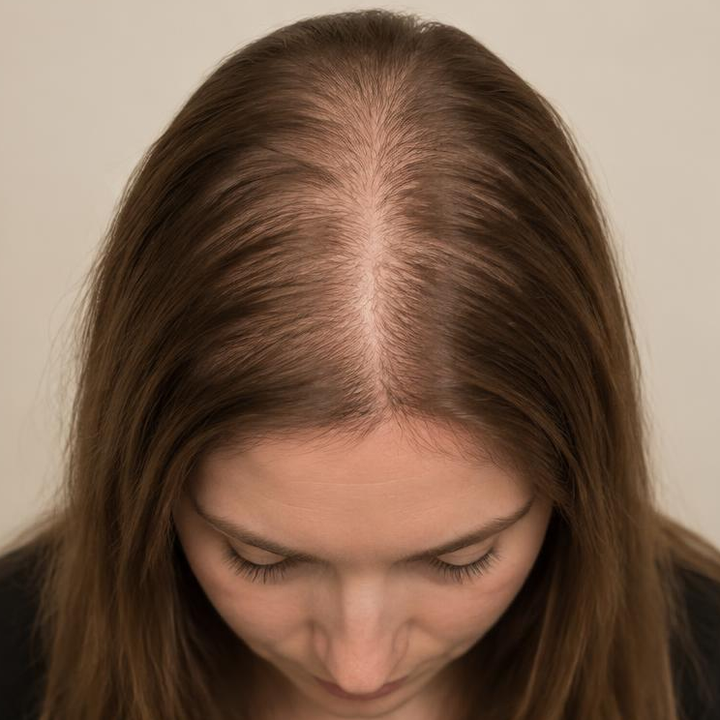
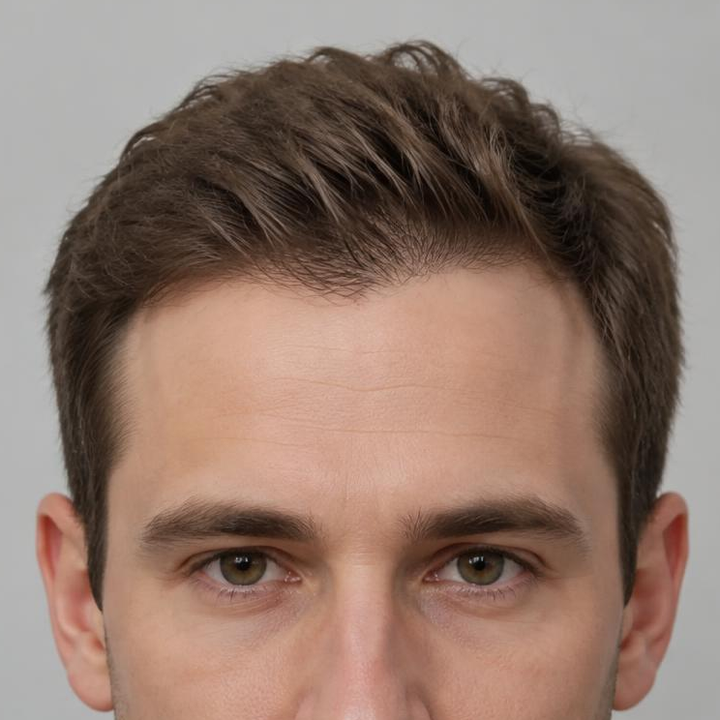
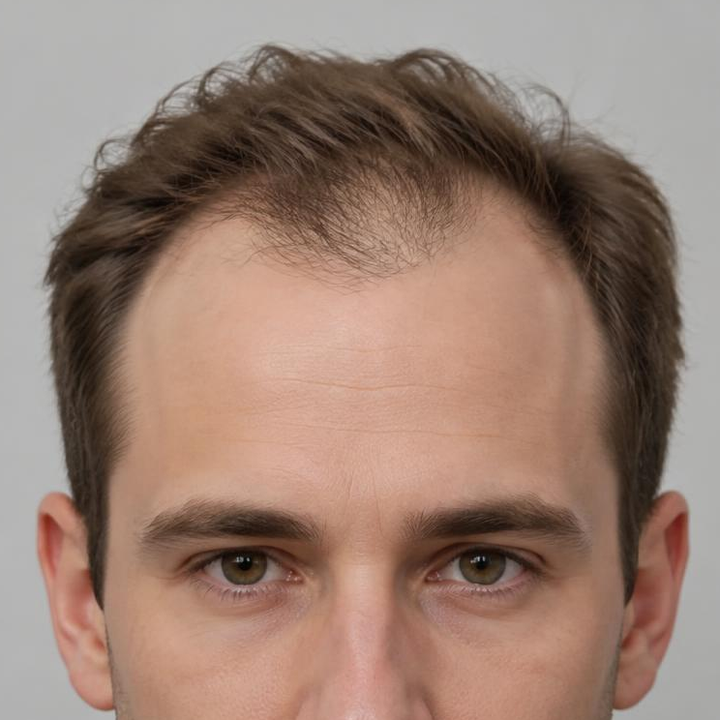
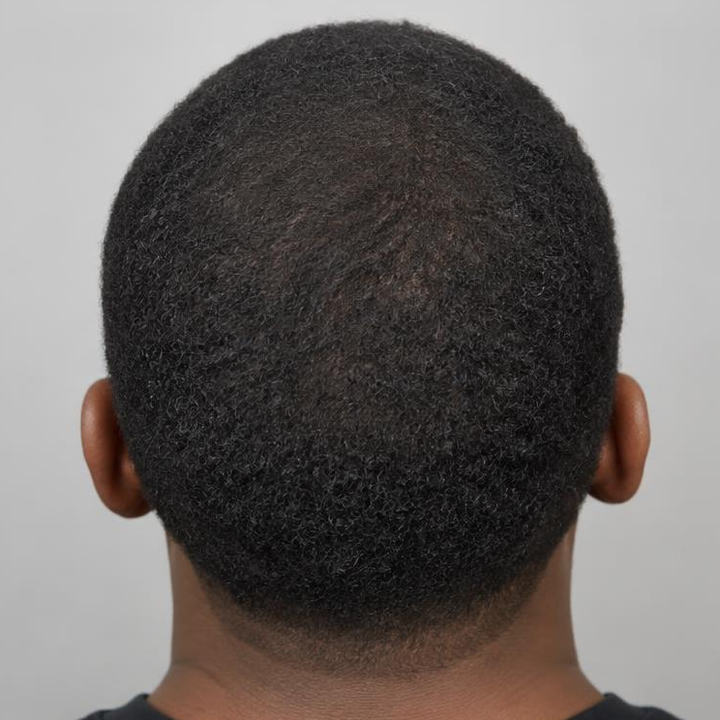
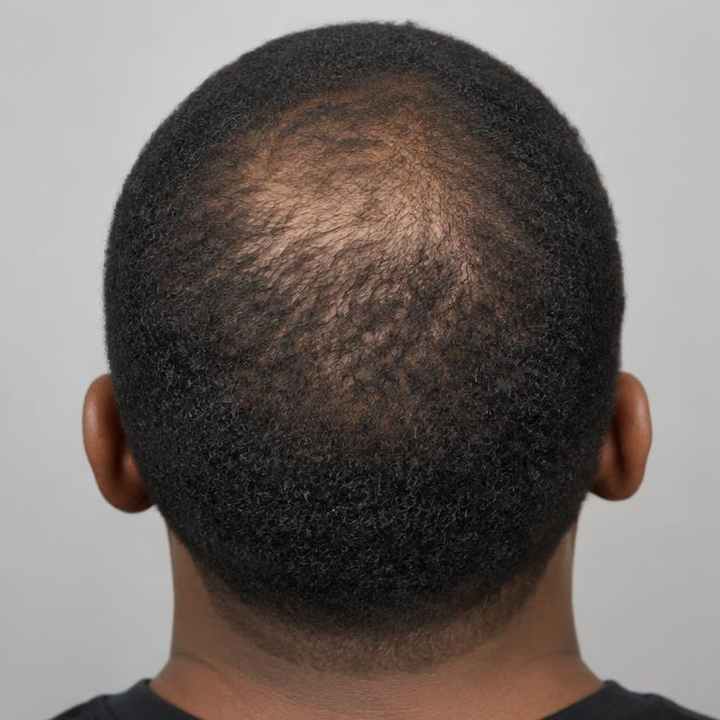
Swipe each photo to compare. See every prp hair restoration before & after or browse the full before & after gallery.
Who is a good candidate for PRP hair regrowth?
The best candidates have hair that is thinning, not gone. PRP needs living follicles to work with, so it tends to help most with early to moderate pattern thinning, diffuse thinning on top, and shedding that has lasted longer than expected. Men and women both respond, and many clients are in their 30s to 50s.
PRP is less likely to help areas that have been smooth and bald for many years, because those follicles may no longer be active. It is usually postponed during pregnancy, active scalp infections and some blood or platelet disorders, and people on blood thinners need to discuss timing. Your provider at KC Injectables Med Spa Overland Park will look at your scalp, your history and your goals and tell you honestly whether PRP makes sense.
When to see a physician first
Some types of hair loss need medical diagnosis before cosmetic treatment. Sudden round bald patches, hair loss with scalp pain, burning, scaling or redness, eyebrow or body hair loss, or very rapid shedding can point to conditions like alopecia areata, scalp inflammation or an underlying health issue.
If any of those apply, see your physician or a dermatologist first. Many causes of shedding, such as low iron or thyroid imbalance, improve once treated. PRP can still be part of the plan later, alongside medical care.
What a PRP hair session at our Overland Park med spa involves
Your visit starts with photos of your scalp from several angles so progress can be measured. A small blood sample is drawn and processed while your scalp is prepared. Numbing or cooling is used to keep you comfortable. The PRP is then placed in small amounts across the thinning areas.
The whole appointment usually takes about an hour, with the injection part taking less time. Most people describe the feeling as pressure and quick pinches, and the scalp may feel tender or tight for a day. You can drive yourself home and return to most activities the same day.
Your closest spa
KC Injectables Med Spa Overland Park
11740 West 135th Street, Overland Park, KS 66221
(913) 361-0108How many PRP sessions you need and how far apart
A typical PRP hair restoration plan starts with three to four sessions spaced about four to six weeks apart. This loading phase gives follicles repeated support through several growth cycles. After the initial series, most people move to maintenance sessions every four to six months, or as recommended based on results.
Some clients with more advanced thinning may benefit from additional initial sessions. Your provider will build a written schedule with you, so you know what to expect and when to evaluate progress.
The PRP hair regrowth timeline: what to expect month by month
Hair grows slowly, about half an inch a month, so patience is part of the process. This is a typical pattern, though every person responds differently.
- Weeks 1 to 4: little visible change; scalp tenderness fades within a day or two.
- Months 1 to 3: many people notice less shedding in the shower and on the brush.
- Months 3 to 6: new fine hairs and better density begin to show, especially along the part or crown.
- Months 6 to 12: fuller-looking hair, thicker individual strands and the best comparison photos.
- Ongoing: maintenance sessions help hold results.
How to track real regrowth (and avoid daily mirror stress)
Checking your hairline every morning in different lighting is a recipe for anxiety. Instead, take photos once a month in the same spot, same light and same hairstyle, with your part in the same place. Compare month one to month four or six, not day to day.
Your provider will take standardized photos at each visit as well. Signs of progress include fewer hairs in the drain, less scalp showing through the part, baby hairs along the hairline and a ponytail or haircut that feels fuller. See examples in our PRP before and after gallery.
PRP compared with other hair loss options
PRP is one tool among several. Topical and oral medications prescribed by a physician can slow pattern thinning and promote growth; some people use them alone, others alongside PRP. Hair transplant surgery moves follicles from one area to another and can help advanced baldness, but it is surgical and more expensive.
Many people choose PRP because it uses their own body, has no daily routine, and fits between work and family without downtime. It can be combined with medications your physician recommends. Your provider can explain how PRP fits with options you are already using.
Hormones, nutrition and the bigger picture
Hair often reflects what is happening inside the body. Perimenopause, menopause, thyroid changes, low testosterone, high stress, poor sleep and low iron or protein can all contribute to thinning. Addressing those factors can improve how well PRP works.
If hormones may play a role, our women's hormone replacement in Overland Park and men's hormone replacement in Overland Park programs can evaluate symptoms. Gentle hair care helps too: loosen tight styles, lower heat settings and protect your scalp from sunburn.
Aftercare for PRP hair restoration
After your session, wait until the next day to wash your hair, then use a gentle shampoo. Avoid hair dye, chemical treatments and harsh products for about two to three days. Skip saunas, hot tubs, swimming and very intense workouts for about 24 hours, and avoid anti-inflammatory pain relievers for a few days if your provider advises, since they may affect platelet activity.
Mild tenderness, tightness or small bruises can occur and fade quickly. Keep taking any hair-loss medications your physician has prescribed unless told otherwise.
What PRP hair restoration costs in Overland Park
PRP hair restoration is typically priced per session or as a series. The total depends on how many sessions your plan needs and how often maintenance is recommended. We share current pricing at your consultation and when you book, and Cherry financing can spread a series into monthly payments.
When comparing PRP in Overland Park, ask how the PRP is prepared, who performs the injections, whether progress photos are included and what maintenance looks like. A plan that tracks results honestly is worth more than a low first-session price.
Why Overland Park chooses KC Injectables Med Spa for PRP hair regrowth
KC Injectables Med Spa is voted best med spa by local clients and holds a 5.0 rating from 442+ Google reviews. Our Overland Park med spa at 11740 West 135th Street serves Leawood, Olathe, Lenexa, Stilwell, Prairie Village and all of Johnson County. Every PRP plan starts with an honest scalp assessment and standardized photos, so you can see real progress.
Explore PRP hair restoration in Overland Park and Olathe, view before and after results, read reviews, and visit KC Injectables Med Spa Overland Park. Start at our homepage or call (913) 361-0108 to book your consultation.