
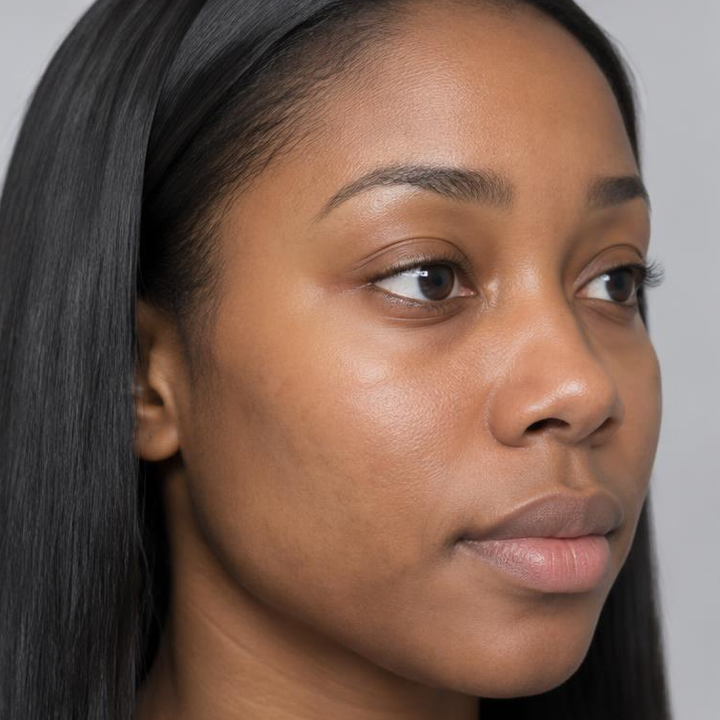
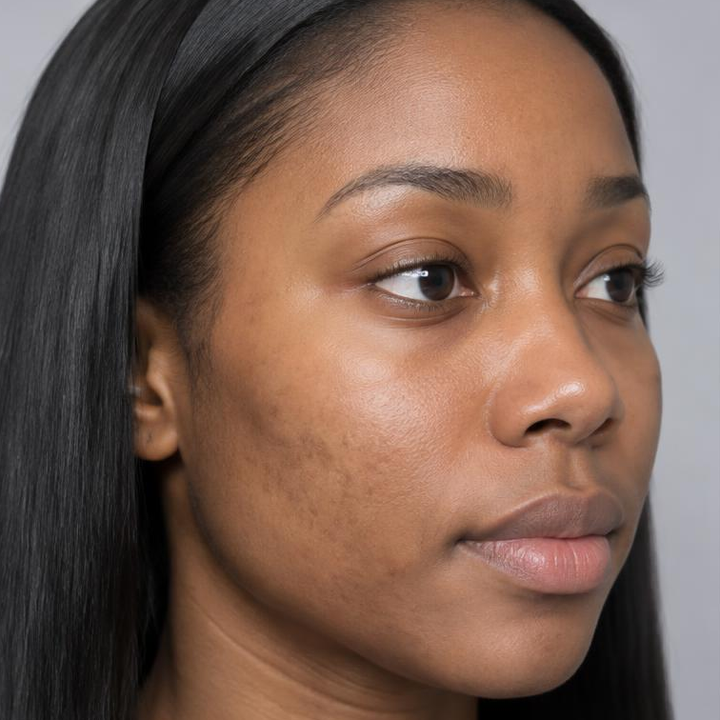
What makes microneedling the best it can be
The best microneedling results come from correct depth, sterile technique and a planned series. Our voted best med spa uses SkinPen to treat acne scars, pores and fine lines, adjusting each session so skin renews steadily with manageable downtime.
What happens beneath the surface
Microneedling uses a pen with very fine needles that make tiny, even channels across the skin. These small injuries prompt a healing response that can support changes in collagen and the surrounding tissue over time. The goal is to improve selected features of skin quality, not to alter your facial identity or create the appearance of added volume.
Because this process involves healing, more treatment intensity is not automatically better. Your provider considers the concern, skin condition, and treatment area before choosing an approach. Microneedling should have a defined purpose, whether that is softening the appearance of certain scars or improving an uneven-looking surface that has not responded to ordinary skincare.
Acne scars need a closer look
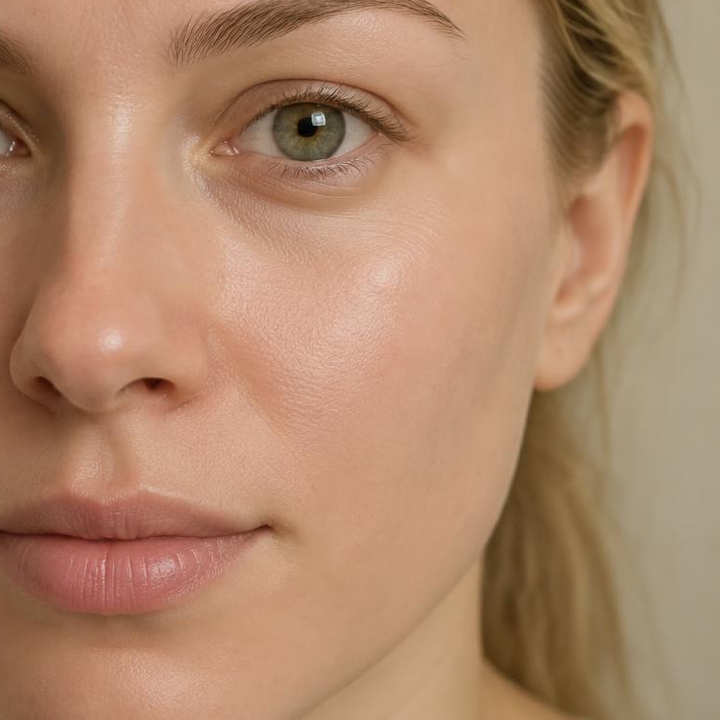
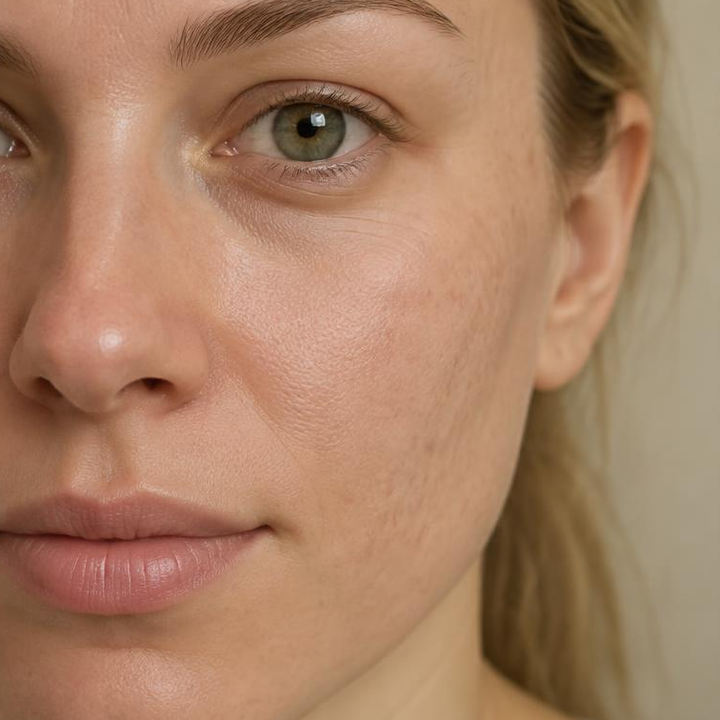
Acne scars vary in shape and depth, and a single face may have several patterns at once. Microneedling can be considered for some depressed scars, but narrow deep scars or tethered areas may need a different strategy. A realistic conversation begins with identifying what type of change you are seeing rather than treating every mark identically.
Flat red or brown post-breakout marks are different from indentations, and ongoing inflamed acne raises another set of concerns. We do not want cosmetic treatment to aggravate an active problem or delay medical acne care. Explain when your breakouts last occurred and which treatments you use before deciding whether microneedling is appropriate now.
Pores and fine lines without unrealistic promises
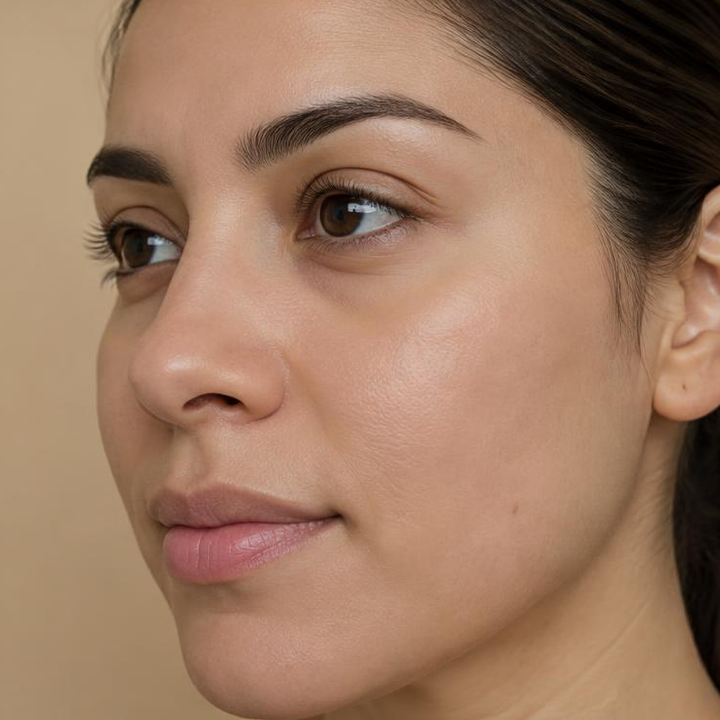
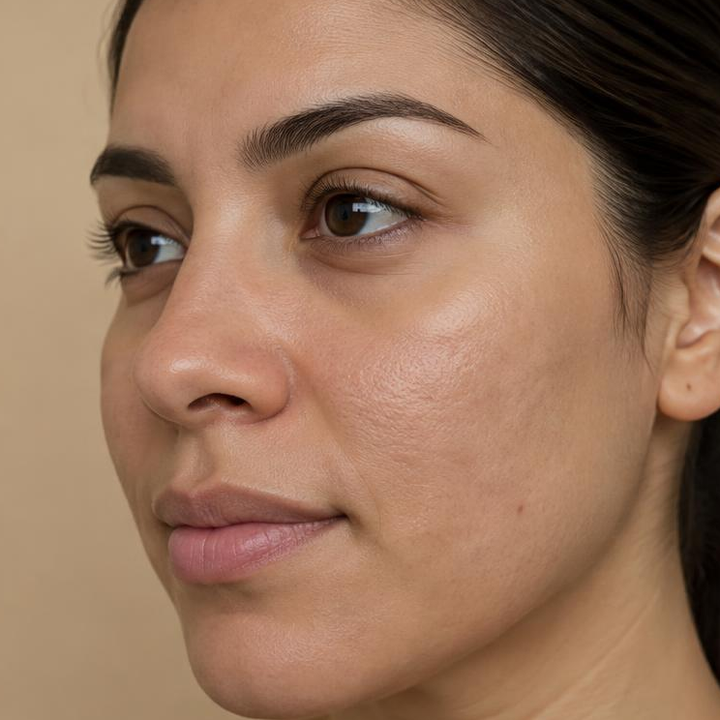
Pores are normal skin structures, not defects that can be erased. Microneedling may improve the appearance of surrounding texture so pores look less prominent for some people, but it does not permanently close them. Surface oil, lighting, and hydration can also affect how noticeable they look from day to day.
Fine lines may soften as skin quality changes, although deeper folds and lines caused mainly by facial movement may call for a different discussion. We help you separate these concerns before creating a plan. Microneedling results should be judged against your starting point and agreed goals, not against filtered images or the expectation of completely smooth skin.
Where SkinPen fits into your care
SkinPen is one of the microneedling options offered at KC Injectables Med Spa. A professional device supports controlled treatment, but thoughtful assessment, technique, and hygiene remain essential. Ask which areas are appropriate for treatment and how the plan accounts for differences in skin thickness, sensitivity, and the concern being addressed.
Professional microneedling should not be confused with repeatedly rolling a consumer device across your face at home. Home needling can create avoidable irritation, infection risk, or scarring without the same screening and control. Tell us if you have tried it, including any reactions, so the skin can be assessed before another procedure is added.
Considering microneedling with PRF
PRF, short for platelet-rich fibrin, comes from a small amount of your own blood that is spun to collect its healing parts. With microneedling with PRF, this preparation is used as part of the treatment protocol. It is an upgrade you can choose, not something every client needs or a promise that results will be better than standard treatment for everyone.
The extra steps include a blood draw and processing, so appointment planning and pricing differ. Mention blood disorders, medications, and any history of fainting during blood draws. Being derived from your blood does not remove procedural risks or eliminate the need for screening. Ask what additional benefit is reasonably expected for your particular concern before choosing this option.
Your health history guides suitability
Before microneedling, we need to understand your skin history, medical conditions, prescriptions, and previous procedure reactions. Mention unusual scarring, slow healing, recurring cold sores, pigment changes after irritation, and any condition affecting immunity or bleeding. Pregnancy or breastfeeding also belongs in this conversation, even if you are only exploring treatment for now.
Active skin infection, inflamed breakouts, open areas, or a recent sunburn may mean postponing treatment. Some medications or health conditions may make microneedling unsuitable or require guidance from your treating clinician. Do not stop prescribed medicines independently to make an appointment possible; the priority is choosing a safe plan rather than fitting the procedure into a particular week.
Preparation and treatment-room sensations
Ask for preparation instructions tailored to your planned microneedling session. These may involve coordinating active skincare products and recent procedures, but the details should come from your provider rather than an unrelated online checklist. Arrive ready to review your routine and flag any new irritation or change in health since booking.
We cleanse your face first and can apply a numbing cream so the session feels easier. During treatment, you may feel vibration, pressure, or a scratchy sensation, with sensitivity varying by area. Pinpoint bleeding can occur. Keep communicating about comfort; marked pain is something to assess, not a milestone you need to reach for the appointment to count.
Downtime and the first stage of healing
After microneedling, skin may look flushed and feel warm, tight, or tender. Mild swelling, pinpoint bruising, dryness, or light flaking can also occur. The duration varies with treatment intensity and your response, so leave room in your calendar rather than assuming the skin will be camera-ready immediately after the visit.
Ask how much visible recovery is expected for your session and plan important events accordingly. Persistent or worsening pain, spreading redness, unusual discharge, blistering, or other signs of infection require prompt advice and possibly urgent medical assessment. A clear contact plan matters because ordinary recovery and a developing complication should not be handled in the same way.
Aftercare that respects a healing barrier
Freshly treated skin needs the specific microneedling aftercare you receive, not a larger collection of products. Use only recommended cleansing and moisturizing steps, and ask when sunscreen, makeup, exercise, and your usual active ingredients can resume. Avoid applying unapproved serums to take advantage of newly created channels; that can introduce unnecessary irritation or other risks.
Keep hands clean and resist scratching or exfoliating any roughness. Discuss sun avoidance and protective clothing as well as sunscreen timing, especially if work or travel involves being outdoors. If the surface looks normal sooner than expected, that does not automatically mean every product is suitable again. Confirm rather than guessing when it is safe to restart.
Results, series, and the decision to book
Microneedling changes develop gradually as skin heals and remodels, often continuing over the weeks and months that follow. An early fresh appearance is not the same as the final collagen-related result. A series may be recommended for scar or texture goals, with spacing that allows recovery and reassessment rather than treating repeatedly without reviewing progress.
How long improvement lasts depends on your concern, skin response, aging, and ongoing care. Cost depends on the treatment area, planned course, and whether PRF is included; request current pricing and a clear comparison of options. KC Injectables Med Spa offers consultations, online booking, and Cherry financing, so you can consider the commitment before deciding whether microneedling fits your priorities.