


Getting the best laser hair removal results
The best laser hair removal results come from matching settings to your skin and hair and keeping sessions on schedule. Our voted best med spa tracks your progress between visits, so legs, underarms, bikini and face stay smoother for longer.
What laser hair removal changes
The light used during laser hair removal is absorbed by pigment in the hair and converted to heat that can damage the follicle. The goal is to reduce its capacity to produce future hair, not to polish the surface of your skin. This distinction helps explain why progress is measured across a treatment course rather than immediately after one appointment.
Your starting point matters as much as your desired finish. Someone hoping to shave less often may judge progress differently from someone bothered by a small patch of coarse facial hair. Bringing those priorities into the consultation helps your provider describe a realistic outcome without assuming that complete hairlessness is necessary or achievable.
Underarms, legs, bikini, and face
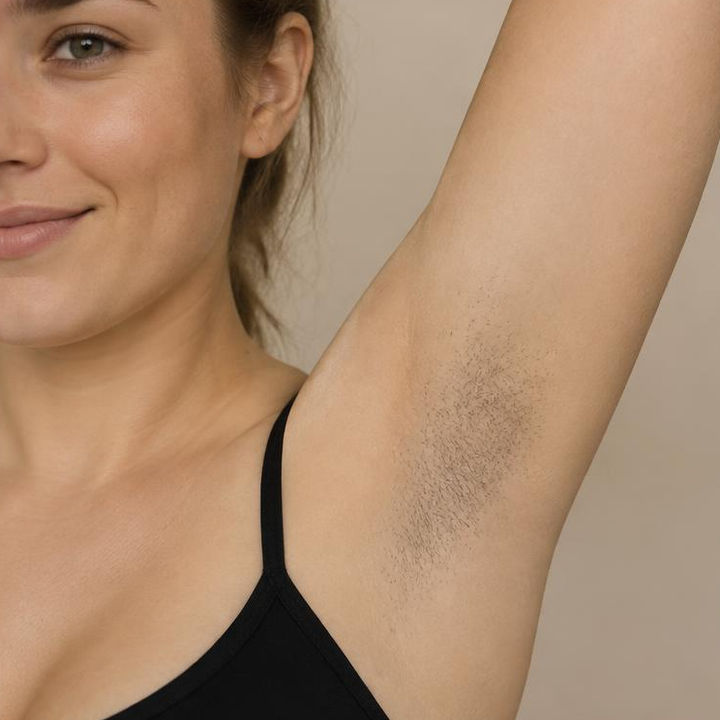
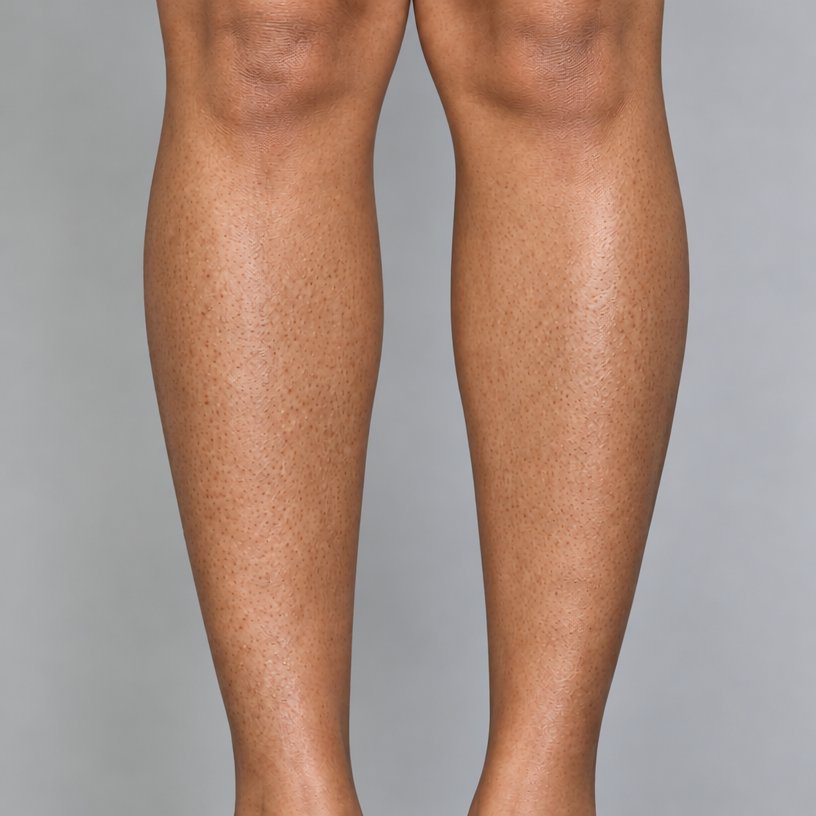
Underarms are a common focus when dark regrowth shows quickly after shaving. Legs involve a larger surface and may require a longer visit, while bikini treatment calls for a clear conversation about boundaries and privacy. You should know exactly which skin will be included before any laser hair removal begins.
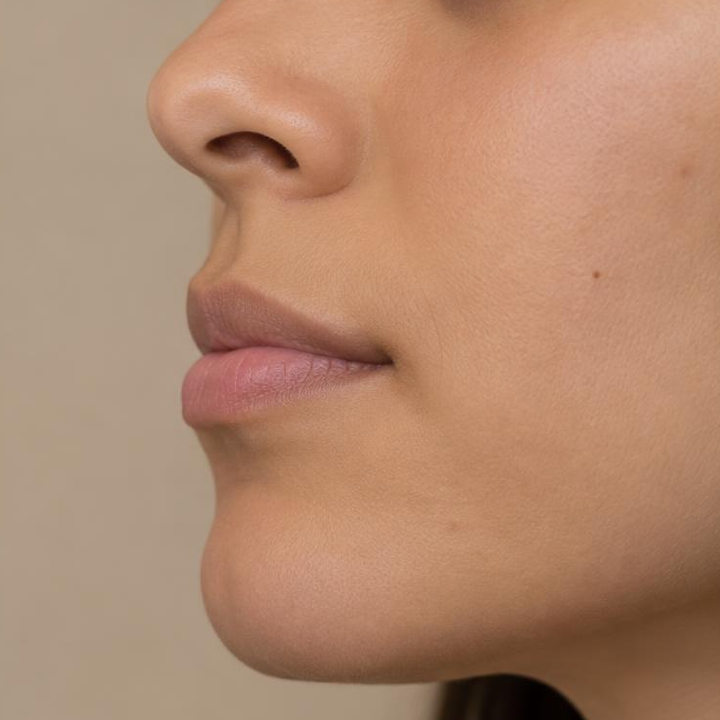
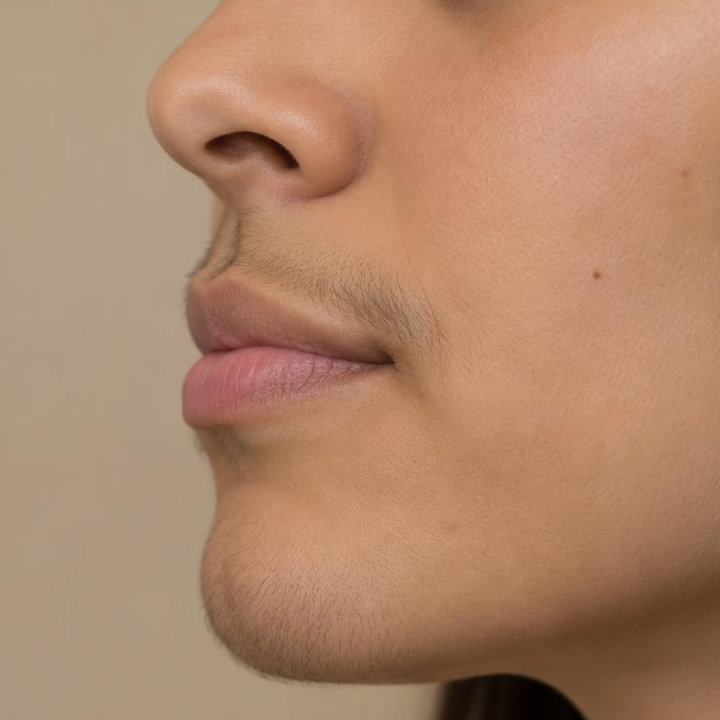
Facial treatment requires particular attention to hair texture, hormonal history, and proximity to the eyes. Fine facial fuzz is not automatically a suitable target. Uncommonly, laser treatment can stimulate additional growth, especially in certain facial areas; ask your provider whether this risk changes the recommendation for your particular hair pattern.
Why growth cycles shape the schedule
Hairs sharing the same patch of skin are not all growing at the same moment. Laser hair removal is most useful when the target hair is in an active growth stage, so returning for a series gives additional follicles an opportunity to respond. Repeating treatment sooner than advised does not necessarily speed that biology.
The interval between visits should reflect the body area and observed regrowth rather than a single calendar rule for everyone. Your provider may adjust the plan as growth becomes less dense. If travel or a busy season interrupts your schedule, ask how to resume instead of trying to squeeze missed appointments close together.
Skin color and hair color both matter
Dark hair generally contains more of the pigment that laser hair removal targets. White, gray, very blond, and some red hairs may respond poorly because there is too little suitable pigment. A consultation should distinguish a visible hair from a treatable hair; being easy to see does not always mean it will respond.
Deeper skin tones need careful assessment because skin pigment can also absorb energy. Suitability depends on the equipment available, appropriate settings, and the treating professional’s experience with your skin type. Ask about that experience and whether a test spot is appropriate. An honest recommendation may be to choose another method rather than proceed.
Shaving before your appointment
A fresh shave keeps the root ready for the laser while clearing surface hair that would only soak up heat. Your laser hair removal instructions should specify when to shave and how closely to prepare the area. If shaving causes cuts or a rash, contact the team for guidance rather than treating irritated skin as unavoidable.
Skip waxing, plucking and epilators between sessions, because the laser needs the root left in place to find it. Tell your provider when you last used them, even if the skin now looks normal. Bring up depilatory creams as well, since chemical irritation may affect readiness. Do not invent your own preparation schedule from unrelated online advice.
Sun exposure is part of treatment planning
A tan changes the amount of pigment in your skin and can increase the chance of unwanted heating. Discuss recent sun exposure, tanning beds, and self-tanning products before laser hair removal, including changes that happened after your consultation. A sunburn or recent tan may require postponement even when an appointment is already reserved.
Plan skin protection between visits, not only on treatment day. Clothing, shade, and sunscreen used as directed all contribute, but sunscreen does not make freshly tanned skin equivalent to its usual baseline. If an outdoor vacation is approaching, tell the team early so timing can be discussed without pressure to keep an unsuitable date.
Comfort and the treatment visit
Before laser hair removal, the treating professional reviews the area, confirms preparation, and checks for relevant changes in your health or medications. You will use appropriate protective eyewear. Expect brief pulses of warmth or a snapping sensation rather than assuming that every area will feel identical or that treatment must be painless.
Comfort can differ with hair density, skin sensitivity, and where the treatment is performed. Speak up if a sensation feels unexpectedly intense so the provider can pause and assess. Ask before applying any numbing cream yourself; products used over large areas or without instructions can introduce risks unrelated to the laser.
Aftercare for newly treated skin
For a short period after laser hair removal, skin may feel warm or look pink, with small raised areas around follicles. Follow the specific cleansing and moisturizing advice you receive. Until sensitivity settles, your provider may advise avoiding heat, rubbing, strenuous workouts, and irritating active ingredients on the treated area.
Choose clothing that does not repeatedly chafe the skin, particularly after bikini or leg treatment. Blistering, increasing pain, signs of infection, or unexpected pigment changes deserve prompt contact with the practice. Burns, scarring, and darker or lighter skin patches are possible complications; knowing the warning signs is part of informed preparation.
Shedding, ingrown hairs, and maintenance
After laser hair removal, treated hairs may loosen gradually, sometimes looking like short regrowth before they release. Resist picking or pulling at the area. Ask when gentle exfoliation can resume rather than scrubbing to accelerate shedding, especially if you chose treatment because shaving already leaves your skin irritated.
As coarse hair becomes less abundant, some people experience fewer ingrown hairs. Existing inflamed bumps still need assessment, and treatment is not a cure for every follicle condition. Hormonal shifts can also encourage new growth later. Maintenance decisions should follow the pattern you actually develop rather than a promise that results are permanent.
Choosing a plan you can sustain
The cost of laser hair removal reflects factors such as area size, the number of areas, and the course recommended after assessment. Ask what your estimate includes and how future maintenance is handled. Comparing only an advertised starting price can miss the practical differences between treating a small facial area and both legs.
At KC Injectables Med Spa, bring questions about provider qualifications, follow-up, and any history of pigment changes or scarring. A careful plan leaves you free to decide after understanding the limitations. Booking online is an easy first step toward a laser hair removal plan and building a schedule that respects your skin as well as your time.