

Finding the best chemical peel strength
The best chemical peel is strong enough to work and gentle enough for your skin. Our voted best med spa chooses peel depth based on tone, sensitivity and goals, treating sun spots, dullness and acne marks in a planned series with clear aftercare.
How a chemical peel changes the surface
A chemical peel applies a selected solution to the skin to produce controlled exfoliation. The intended effect depends on the formula, depth, and your starting condition. Some treatments focus on superficial dullness, while others address more pronounced concerns and involve a more demanding recovery. The label alone does not tell you what your experience will be.
We start by identifying the improvement you actually want to see: a smoother feel, less noticeable discoloration, or a more even appearance after breakouts. A chemical peel is not a substitute for diagnosing a changing lesion, treating every acne pattern, or correcting deep facial folds. Defining the goal helps keep the recommendation proportionate.
Light versus deeper peels
A light chemical peel generally acts more superficially and may involve milder visible recovery than a deeper approach. Deeper treatment creates a more substantial controlled injury and calls for greater caution, recovery planning, and clinical oversight. It is not simply a stronger version of the same appointment or an automatic next step after a light peel.
Ask which depths are appropriate and available for your particular concern; do not assume every category belongs on your treatment menu. Your provider should describe the proposed chemical peel in specific terms, including limitations and alternatives. A surface-focused plan may be more suitable even when the concern has bothered you for a long time.
Sun spots and uneven color
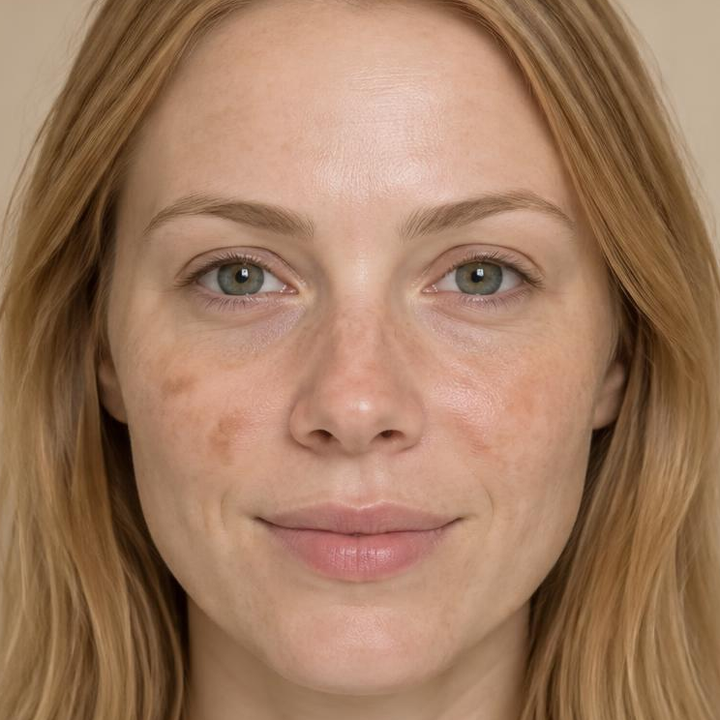
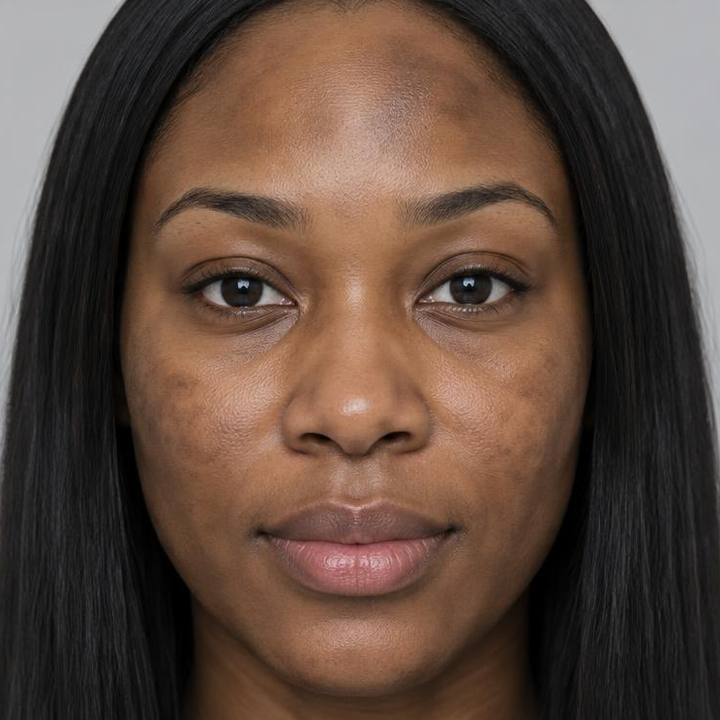
Flat brown marks that appear after years of sun exposure are a common reason to ask about a chemical peel. Some superficial discoloration may improve, but depth and cause influence the response. Spots that are new, changing, irregular, bleeding, or otherwise concerning should be checked by a doctor first, never simply peeled over.
Bring up previous darkening after a rash, scratch, or procedure. That history can signal a tendency toward post-inflammatory pigment changes, which is relevant when considering exfoliation. Chemical peels can also cause unwanted lightening or darkening, so evaluating risk and agreeing on protection are essential parts of the conversation, not optional extras added after booking.
Texture and marks left by acne
Acne can leave several different reminders: a flat discolored mark, an uneven surface, or a depressed scar. These are not interchangeable, and a chemical peel will not address each in the same way. Selected superficial treatments may help certain marks and surface roughness, while established indented scars may call for a different assessment.
Active acne also changes the decision. Inflamed, painful, or widespread breakouts may need medical management before cosmetic exfoliation is considered. Let us know which prescription and nonprescription treatments you use, even if you apply them only to individual spots. Coordinating those products with a chemical peel can matter as much as selecting the solution itself.
A careful approach to melasma
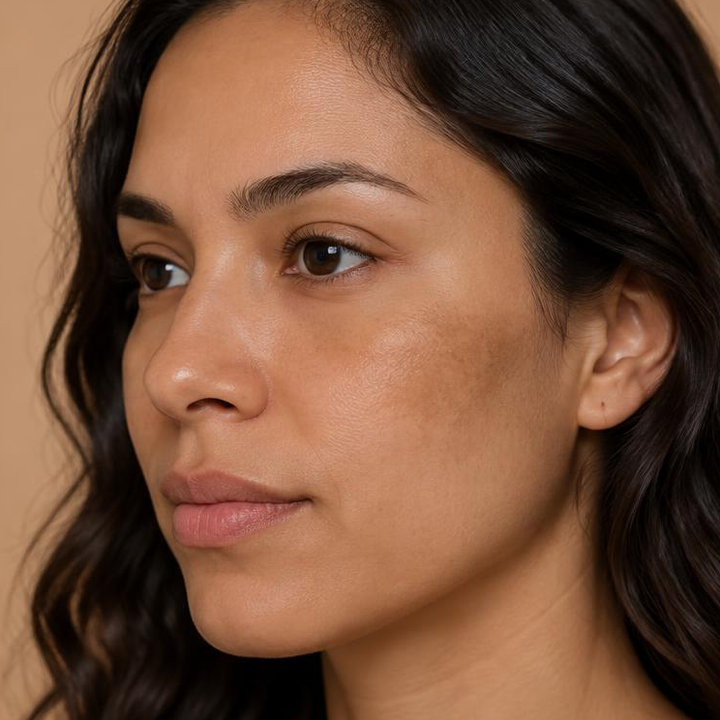
Melasma often appears as recurring patches of discoloration and can be influenced by hormones, sunlight, and visible light. A chemical peel may sometimes form part of a clinician-directed plan, but it is not a cure. Excess irritation can worsen pigmentation, making careful selection and realistic expectations especially important when this is your main concern.
Discuss whether your discoloration has been diagnosed and which approaches you have already tried. Consistent protection and ongoing management may be more important than another exfoliating appointment. Ask whether a tinted sunscreen could be useful within your plan and whether medical review should come first. Recurrent pigment requires a strategy that extends beyond the treatment room.
Preparation starts before the appointment
Before a chemical peel, share your health history, allergies, cold sore history, prior healing issues, and recent cosmetic procedures. Include pregnancy or breastfeeding and any medication that could affect skin sensitivity or healing. A complete list is more useful than guessing which details the team might consider relevant.
Preparation guidance may include changes to selected skincare products or timing around other services. Get those instructions from your provider and coordinate any prescribed medication changes with the prescriber. If you become sunburned, develop an infection, or arrive with unexpectedly irritated skin, the safest choice may be to postpone the chemical peel rather than proceed with the original schedule.
What application can feel like
The chemical peel appointment includes checking your skin and confirming the agreed approach before the solution is applied. Depending on the protocol, you may notice warmth, tingling, or stinging. We want to hear about escalating discomfort while treatment is happening so the response can be assessed instead of assuming stronger sensation means better progress.
The next step varies by formulation: some solutions require removal or neutralization, while others have different instructions. Ask exactly what should happen before you leave and later at home. Written chemical peel guidance should tell you what to use, what to avoid, and who to call if your skin heals in a way that surprises you.
Peeling timeline and social downtime
A chemical peel may cause initial tightness or redness, followed by flaking that develops over the following days. Light treatments may produce little obvious shedding, while deeper treatments can require a longer period of visible healing. Your provider should explain the anticipated course for the actual peel rather than promising a universal day-by-day calendar.
Allow for individual variation when scheduling work presentations, travel, photographs, or exercise. Do not pull lifting skin or speed the process with a washcloth, scrub, or additional acid. Shedding should release without being forced. Increasing pain, blistering, drainage, or redness that spreads beyond expectations warrants prompt contact and may require urgent medical care.
Sunscreen and everyday recovery
After a chemical peel, use the cleansing, moisturizing, and sun-protection approach provided for your treatment. Broad-spectrum sunscreen is important, but it works alongside shade, appropriate clothing, and limiting exposure while skin heals. Ask how and when to apply products if your skin is especially tender or your peel requires a specific protocol.
Heat, vigorous exercise, makeup, and strong skincare ingredients may need to wait until the team clears them. The absence of visible flakes does not necessarily mean your barrier is ready for exfoliation again. Chemical peel aftercare is not the moment to test a new brightening product; keep the routine deliberate and bring unexpected symptoms to the practice.
Series, cost, and your next decision
Some concerns respond gradually across a chemical peel series, with recovery between appointments and opportunities to review progress. The number and spacing should depend on your response rather than a preset assumption. Improvements are not permanent protection against new sun damage, aging, or recurrent discoloration, so long-term habits remain important after the initial course.
Chemical peel pricing varies with the selected treatment, scope, and whether a series is appropriate. Ask for the full plan and current cost before committing; paying over time through Cherry is an option if that helps. At KC Injectables Med Spa, online booking or a consultation can be your first step toward comparing potential benefit with recovery and risk.