




Is a PDO thread lift the best lift for you?
A PDO thread lift offers gentle lift without surgery, and the best results come from honest candidacy checks. Our voted best med spa reviews skin laxity and facial structure first, then places threads to support the brows, cheeks or jawline while collagen builds over time.
Understanding what PDO threads do
PDO refers to polydioxanone, a material that gradually breaks down in the body. During treatment, fine threads are introduced beneath the skin through small entry sites. Their design and placement determine whether the primary aim is gentle repositioning, tissue support, or a more localized response related to skin quality.
A PDO thread lift does not cut away extra skin or recreate the deeper changes of surgical lifting. Think of it as a limited tool for selected concerns, not an equivalent procedure with a shorter name. The consultation should identify what can reasonably change and which features are unlikely to move enough to satisfy your goal.
Lifting threads versus smoothing threads
Lifting threads have features that engage tissue so the provider can apply a measured amount of repositioning. They may be discussed when mild descent contributes to a less defined facial outline. The direction of support must follow your anatomy; simply placing more threads does not necessarily create a better or more natural-looking result.
Smoothing threads generally lack those gripping features and are used with a different objective, often emphasizing local tissue quality rather than a mechanical lift. Ask which PDO threads are proposed, what each is expected to accomplish, and why. A recommendation should explain the distinction rather than grouping every thread procedure under an identical lifting promise.
Jowls and the lower-face outline
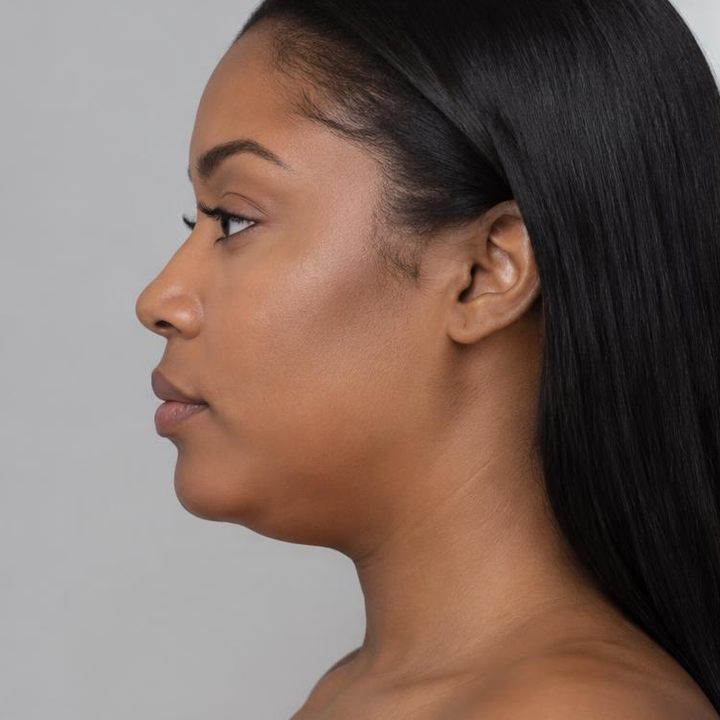
Early jowling may reflect tissue descent, but bone shape, volume changes, and skin elasticity also influence the jawline. A PDO thread lift may offer modest refinement in selected cases without erasing every fold. Heavier tissue or substantial looseness may resist the support that threads can realistically provide.
Looking at your face in motion helps keep the goal grounded in everyday appearance instead of a single posed photograph. Tell your provider which angle concerns you and which features you want preserved. If your main concern is a larger amount of excess skin, discussing a surgical evaluation may be more useful than repeated thread procedures.
Midface and brow planning
A midface PDO thread lift may be considered when gentle support could improve the transition between cheek and lower face. Volume loss in that region can look similar to descent, so the assessment should separate them. Pulling on tissue does not automatically restore the fullness or structure that has changed over time.
Brow treatment is especially sensitive to small differences in position and expression. PDO threads should not be presented as a way to guarantee a particular lifted eye shape. Your provider should assess eyelid concerns, baseline asymmetry, and how your forehead moves before explaining whether thread placement or another approach is appropriate.
What threads can offer the neck
The neck may benefit from selected thread approaches when the concern is mild laxity or tissue quality. A PDO thread lift cannot reliably correct every source of neck fullness, visible bands, or sagging. Examining the neck at rest and during movement helps distinguish skin concerns from muscle activity and deeper anatomy.
Because neck skin and movement differ from the cheeks, recovery instructions may also differ. Discuss daily activities that involve frequent turning, bending, or pressure on the area. A tailored explanation should cover the limits of the likely improvement, especially if you are comparing threads with a surgical neck procedure.
Candidacy and a complete health review
Good candidacy for PDO threads depends on more than age. Tissue thickness, elasticity, facial anatomy, health history, and willingness to follow aftercare all contribute. Very thin skin, significant laxity, active inflammation, or unrealistic expectations may shift the recommendation. Previous filler, threads, or surgery should be disclosed with dates when possible.
Bring a current medication and supplement list and mention bleeding problems, allergies, immune conditions, and any tendency toward unusual scars. Pregnancy or breastfeeding may be a reason to defer an elective procedure. Do not pause prescribed treatment on your own; any adjustment needs coordination with the appropriate clinician before a PDO thread lift is scheduled.
The placement appointment and comfort
For a PDO thread lift, your provider evaluates the planned support directions and discusses consent before placement. Local anesthetic is generally used to reduce discomfort around the entry and treatment areas. Pressure, tugging, or tightness can still occur, and you should be able to ask for a pause if something feels concerning.
After placement, the provider checks the tissue position and reviews what you may notice during early healing. A fresh result can be influenced by swelling or temporary surface bunching, so it should not be treated as the settled outcome. Confirm how follow-up is arranged and who to contact before leaving the practice.
Recovery deserves a place on your calendar
Bruising, swelling, soreness, and a feeling of tension are possible after PDO threads. Your instructions may limit heavy exercise, pressure on the face, vigorous chewing, exaggerated facial movements, or certain sleeping positions for a period appropriate to your treatment. Ask for specific guidance rather than following someone else’s recovery timeline.
Let the team know about planned dental work, facial massage, skin procedures, and travel before choosing a date. Avoid rubbing or trying to flatten an irregular area yourself. Recovery from a PDO thread lift should include access to advice, not just a list of restrictions that leaves you guessing whether your symptoms are expected.
Results, collagen, and how long support lasts
Some mechanical change may be visible early after a PDO thread lift, while the appearance continues to settle as swelling decreases. The surrounding tissue can develop a collagen response over time. Neither that response nor the gradual absorption of the threads provides a precise expiration date for your individual result.
Longevity varies with placement, anatomy, tissue characteristics, and the changes that continue with aging. Future treatment should follow a fresh assessment rather than an automatic repeating schedule. PDO threads do not stop the aging process, and your provider should be honest if repeating them is unlikely to deliver the improvement you want.
Pairing threads with filler or Botox
Filler, Botox, and PDO threads address different contributors to appearance. Filler may help selected volume or contour concerns, while Botox can soften lines related to muscle movement. A PDO thread lift is aimed at tissue support; combining categories is useful only when the assessment identifies a separate reason for each one.
At KC Injectables Med Spa, licensed nurses can provide injectable care, and your consultation can explore a coordinated treatment sequence. Ask how existing products affect thread planning and whether appointments should be separated. Cost depends on the areas, thread selection, and extent of treatment; request an itemized plan before deciding how much to pursue.
Safety and choosing your next step
PDO threads carry risks beyond routine swelling, including infection, asymmetry, dimpling, migration, extrusion, and injury to nearby structures. Absorbable does not mean risk-free or instantly reversible. Ask about the treating clinician’s experience, complication management, and what happens if a thread becomes visible or uncomfortable beneath the skin.
Increasing redness, worsening pain, drainage, fever, or a thread emerging through the skin warrant prompt contact with the practice. Do not cut or manipulate an exposed thread yourself. Online booking at KC Injectables Med Spa provides a starting point for discussing a PDO thread lift, including alternatives if the anticipated benefit does not justify recovery or risk.