
Who is a good candidate for PRP hair restoration in Independence?
A plausible candidate has a recognizable pattern of thinning, some remaining hair in the affected area, and expectations centered on improvement rather than complete restoration. Early or moderate androgenetic alopecia, commonly called pattern hair loss, is the situation with the strongest clinical support for PRP. Men and women can both fit that description.
For PRP hair restoration serving Independence, eligibility should be a clinical judgment rather than a photograph-based sales decision. Age, family history, and the amount of visible scalp contribute context, but none should replace a scalp assessment and health review. A provider should explain why your presentation fits before discussing a package.
- Potential fit: gradual density loss with surviving strands and no unexplained scalp inflammation.
- Investigate first: sudden diffuse shedding, systemic symptoms, or a recent major health change.
- Different pathway: suspected scarring, infection, or extensive longstanding baldness.
Why does the cause matter more than the amount of hair lost?
Two Independence residents can show similar scalp visibility while needing entirely different care. One may have progressive follicle miniaturization; another may be shedding after a medical event. A third may have an inflammatory disorder that threatens permanent loss. Their photographs can look equally concerning without pointing to the same treatment.
PRP involves concentrating platelets from your blood and placing the preparation into selected scalp areas. Its growth-factor signaling may support follicle activity, but it does not correct every reason hair stops growing. The hair restoration overview introduces the service; a candidacy visit should connect that service to your actual diagnosis. Choosing the cause first helps avoid spending on a procedure while an untreated driver continues.
What should an Independence PRP consultation ask about?
Start with a timeline rather than a list of products you have tried. Explain when the change began, whether it progressed steadily, and whether you noticed shedding, breakage, or reduced coverage first. Bring earlier photographs if they help establish what changed; ordinary family pictures can be more informative than a heavily styled recent selfie.
Your history should include illnesses, operations, dietary restriction, menstrual changes when relevant, family patterns, and previous hair diagnoses. Mention scalp discomfort even if it seems minor. The KC Injectables Med Spa team can discuss the consultation process, while a dermatologist or primary care clinician may be needed for diagnostic questions outside the cosmetic treatment assessment.
- Write down the first noticeable change and any events in the preceding months.
- Bring medication names, supplement labels, and available medical results.
- Describe your goal in practical terms, such as less visible scalp along the part.
Real results
PRP Hair Restoration before & after at KC Injectables Med Spa
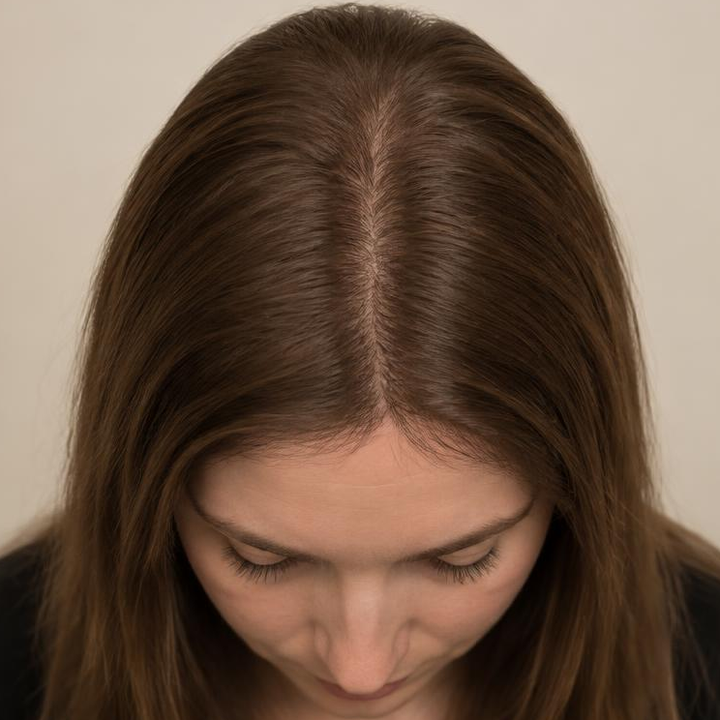
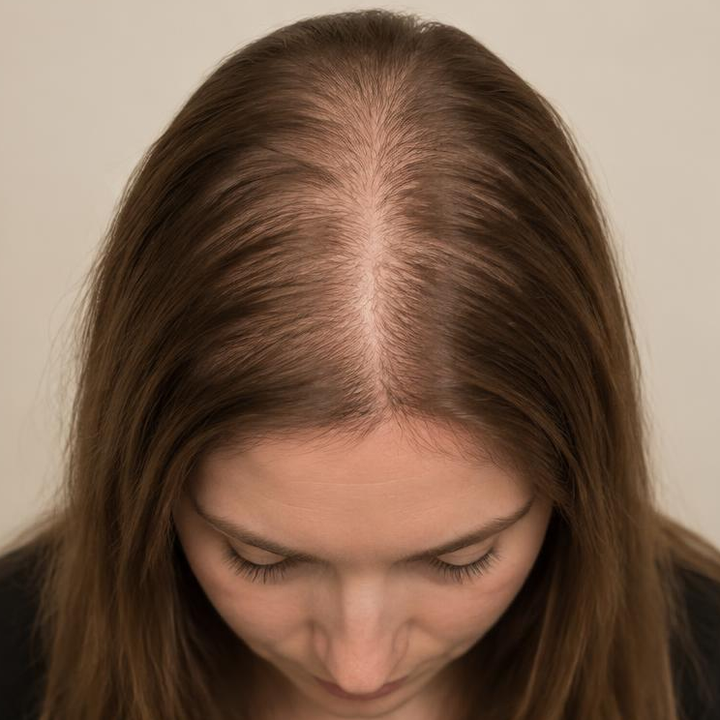
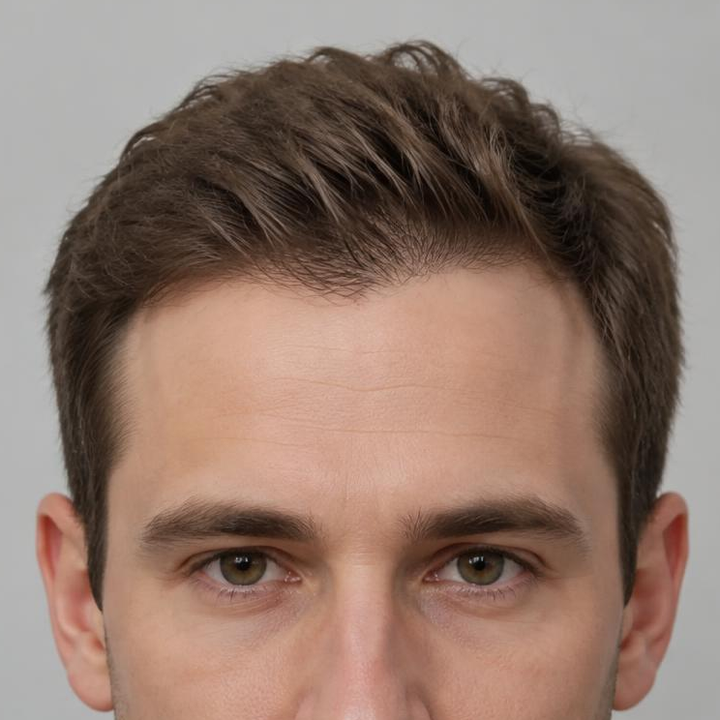
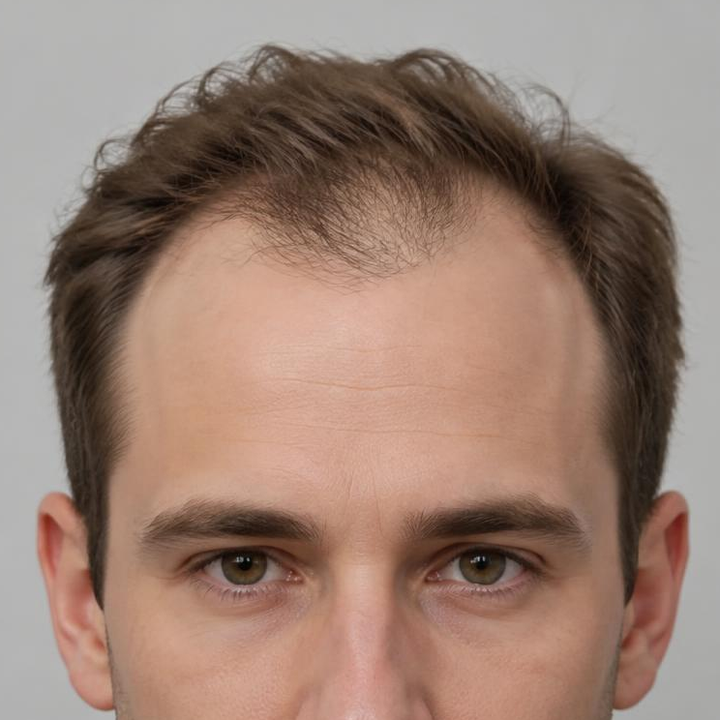
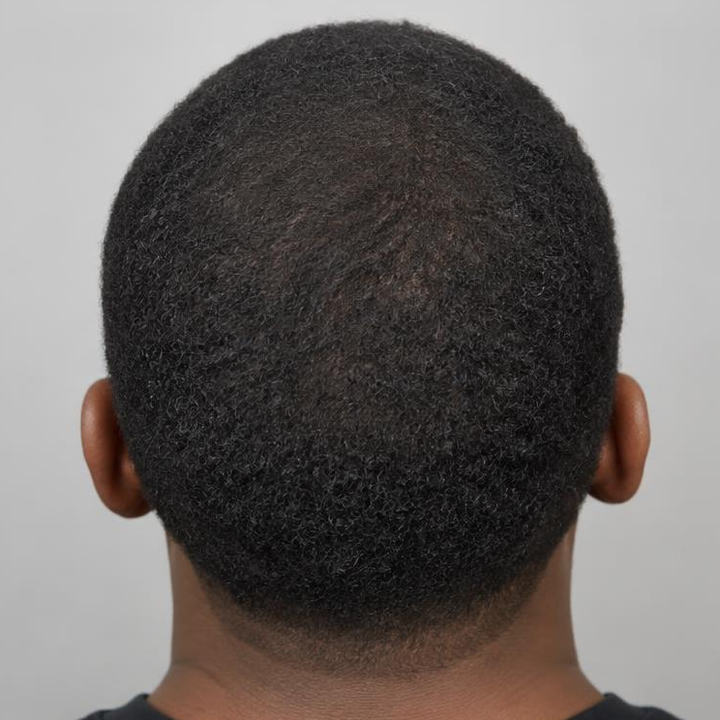
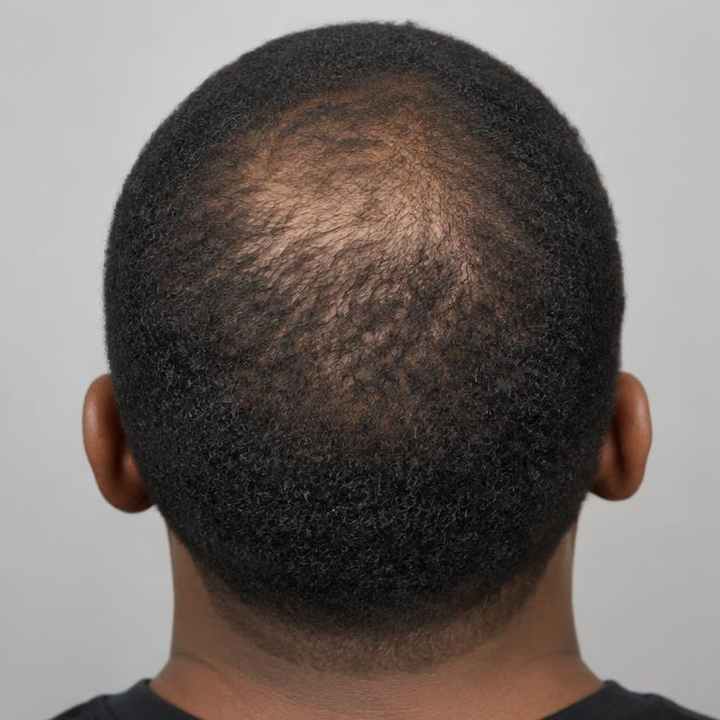
Swipe each photo to compare. See every prp hair restoration before & after or browse the full before & after gallery.
Which scalp findings mean medical evaluation should come first?
Pain, burning, persistent redness, heavy scale, crusting, or pustules should change the conversation. These findings can reflect infection or inflammatory scalp disease. Rapidly expanding bare patches, eyebrow loss, or smooth areas with a shiny appearance also deserve medical attention. Suspected scarring hair loss is especially time-sensitive because damaged follicles may not recover.
Do not let a search for PRP hair restoration in Independence delay a dermatology appointment when those signs appear. Sudden hair loss accompanied by feeling unwell should also be assessed medically. Cosmetic injections are not a substitute for identifying an active scalp disorder, and PRP should not be presented as routine first-line care for every patchy condition.
Do I need blood tests before PRP hair restoration in Independence?
Some people need targeted laboratory evaluation, but there is no single blood panel that certifies someone as a PRP candidate. The right questions determine whether testing adds useful information. Gradual, characteristic pattern loss without other concerns may call for a different workup than widespread shedding with fatigue, heavy periods, or unexplained weight change.
A clinician may consider a complete blood count, ferritin or other iron studies, and thyroid testing when symptoms and history support them. Additional tests depend on specific findings. Ask who will order the tests, explain the results, and manage anything abnormal. The online self-assessment can organize your concerns, but it does not diagnose a deficiency or replace a medical examination.
What do iron, ferritin, and a blood count actually tell us?
A complete blood count can reveal anemia and provides information about blood cells, including platelet numbers. Ferritin helps assess stored iron, but inflammation and other conditions can affect its interpretation. A normal hemoglobin result does not automatically settle every question about iron status, and one ferritin number should not be interpreted without clinical context.
For Independence PRP hair restoration candidates, the practical issue is whether iron deficiency or another blood disorder needs attention before a cosmetic plan proceeds. There is no universally accepted ferritin target that guarantees hair regrowth. Do not start high-dose iron merely because an online discussion recommends it; excess iron can be harmful, and a confirmed deficiency may need investigation of its cause.
- Ask whether your symptoms and dietary history justify iron testing.
- Have abnormal results interpreted alongside the rest of your health history.
- Discuss whether the finding changes treatment timing or requires another clinician.
Your closest spa
KC Injectables Med Spa Lee's Summit
286 Southwest Blue Parkway, Lee's Summit, MO 64063
(816) 301-4226When should thyroid or hormone causes be considered?
Thyroid dysfunction can contribute to diffuse changes in hair. A clinician may consider thyroid-stimulating hormone testing, sometimes with additional thyroid studies, when the story suggests it. New fatigue, temperature intolerance, bowel changes, or unexpected weight changes are reasons to mention the possibility rather than assuming your thinning is purely cosmetic.
Hormonal testing is not necessary for everyone seeking PRP hair restoration in Independence. Irregular cycles, new coarse facial hair, or other signs of androgen excess may justify a targeted medical evaluation. Hair thinning alone does not prove a hormone deficiency. Although hormone treatment information is available, hormone therapy is not a default solution or an automatic prerequisite for PRP.
Could nutrition, medicines, or supplements change my eligibility?
Low protein intake, restrictive eating, significant weight change, and specific deficiencies can contribute to hair problems. The answer is not automatically a broad supplement bundle. Testing vitamin levels is most useful when there is a reason to suspect a deficiency. Biotin is not a universal hair remedy and can interfere with certain laboratory tests, so disclose it before blood work.
Review prescriptions and nonprescription products with the treating clinician. Some medicines may contribute to shedding, while others affect bleeding or platelet function. Do not stop anticoagulants, antiplatelet drugs, or any prescribed treatment to become eligible for injections. Independence PRP hair restoration planning should adapt to medical safety, not ask you to compromise necessary care for a cosmetic appointment.
Who may need to postpone or avoid PRP?
Active infection near the planned injection sites is a reason to defer treatment. Significant platelet disorders, bleeding disorders, severe anemia, and some serious medical conditions can make PRP inappropriate or require specialist input. A history of cancer, immune problems, or complex medical treatment warrants individualized review rather than a generic online yes or no.
Pregnancy and breastfeeding also call for a careful discussion; elective PRP is often deferred because safety evidence in those settings is limited. A blood-derived preparation does not eliminate all risks. Injection-related infection, bruising, tenderness, and bleeding remain possible. The safest candidacy decision may be to wait, address a health issue, or choose another approach.
- Disclose active illness, scalp infection, and healing problems before booking treatment.
- Explain any history of abnormal bleeding, low platelets, or difficult blood draws.
- Request individualized advice if pregnant, breastfeeding, or receiving specialist medical care.
Does having very little hair mean PRP cannot help?
The remaining follicle population matters more than a blanket description such as thin or bald. PRP cannot reliably recreate follicles that have been destroyed. An area that has been bare for a long time may have a very different outlook from a recently thinning area still producing fine hairs. Scalp examination helps separate those possibilities.
When discussing PRP hair restoration in Independence, ask the provider to identify the areas they expect could improve and the areas they would not promise to change. Advanced loss may be better served by a medical hair-loss consultation, camouflage options, or a surgical evaluation. Saying no to PRP in an unsuitable area protects your budget and preserves realistic expectations.
What makes someone a practical candidate, beyond the scalp exam?
Suitability includes the ability to follow a plan over months. PRP is generally considered as a course of care, not a single-event makeover, and ongoing pattern loss may require maintenance or complementary medical management. Improvement varies; some people obtain little visible benefit even when the initial assessment is reasonable.
A practical Independence PRP hair restoration candidate understands that uncertainty and can afford the agreed plan without relying on promised regrowth. Discuss cost at consultation because it depends on the individual treatment approach. Cherry financing is available, but financing should support an informed decision rather than encourage treatment before medical questions are answered. Client reviews help you evaluate communication and service, not predict your own biological response.
How should a provider explain alternatives and the decision to wait?
An ethical consultation explains why PRP is being considered alongside established medical options rather than dismissing everything else. Depending on the diagnosis, a qualified prescriber may discuss topical treatment or prescription medication. Supplements have a role when an actual need exists, while transplant evaluation may fit selected advanced cases. PRP need not replace appropriate ongoing medical care.
Ask what would make the recommendation change. If new symptoms appear, test results reveal a treatable contributor, or the diagnosis remains unclear, pausing can be the better choice. The Lee's Summit PRP service page describes the local offering, while the spa-city hair restoration guide covers the appointment separately. Eligibility should be settled before those logistics become the focus.
How can Independence residents prepare for the right consultation?
Residents around Independence Square, Englewood, and the Truman Library area can plan their visit to the Lee's Summit location rather than assuming there is an Independence treatment office. I-470 and connecting local roads may form part of your route; check current directions for your starting point. The Independence service-area page explains the community connection.
For your consultation, choose the Lee's Summit spa location. Its street address is 286 Southwest Blue Parkway; enter Lee's Summit, Missouri 64063 in your navigation app. Questions about medical records can be directed to (816) 301-4226. Regular scheduling runs Monday through Friday, 9am–6pm, and Saturday, 10am–3pm; Sunday visits require an appointment. Mention summer scalp sun exposure or winter irritation if either changes how your scalp feels.
What should you leave with before saying yes to PRP?
The best PRP hair restoration consultation for Independence residents ends with an understandable recommendation, not pressure. You should know the working explanation for your thinning, whether medical review is needed, and what improvement would count as worthwhile. PRP result photographs and the broader treatment gallery can support the conversation, but photographs do not establish eligibility or guarantee an outcome.
Choose KC Injectables Med Spa for a candidacy conversation that puts your questions first. If scalp irritation is also a concern, distinguish the skin-care service information from medical diagnosis: a cosmetic scalp discussion cannot replace dermatology when warning signs exist. The right next step for PRP hair restoration in Independence is a justified decision, including permission to wait. Review Independence skin-care options separately if you have additional cosmetic goals; those services do not determine scalp-treatment eligibility.
- A clear explanation of why your pattern may or may not respond.
- A named next step for any unresolved medical or laboratory question.
- A realistic goal, individualized cost discussion, and opportunity to decide without pressure.