





The best facial balancing for Corder faces
Corder clients wanting the best facial balancing near Corder want harmony, and Corder relies on our voted best med spa; Corder profiles get studied from every angle. Corder plans may pair filler with Botox, keeping Corder faces balanced yet familiar.
What facial balancing means
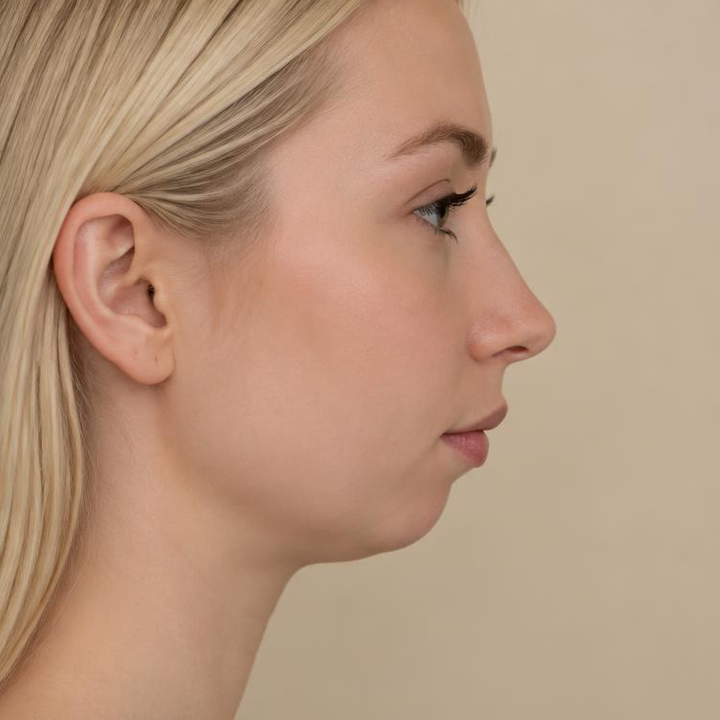
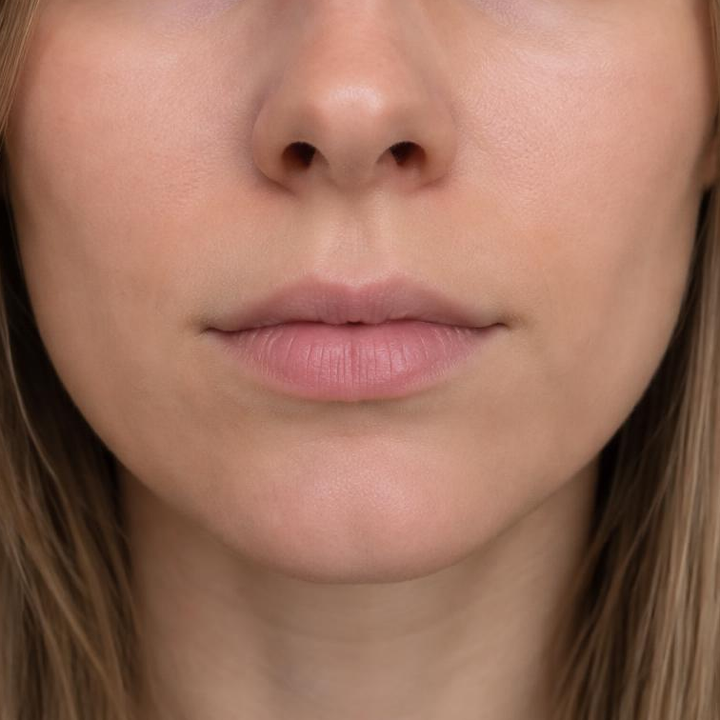
Facial balancing is an individualized way to consider how facial features work together in front, three-quarter, and side views. Topics at an appointment can include the chin's projection, cheek contours, the jawline's shape, lip placement, and how the nose is proportioned. It does not mean every feature needs treatment, and it is not a specific product or one-size-fits-all procedure. For someone exploring facial balancing in Corder, the central question is which feature or relationship matters to you and whether a nonsurgical option can address it safely and appropriately.
At KC Injectables Med Spa, planning begins with assessment and conversation, not a predetermined number of syringes or areas. Dermal filler can provide volume or definition in chosen areas, whereas neurotoxin temporarily lessens movement in specific muscles; your provider can describe each. These tools have different uses and limitations. Facial balancing near Corder should preserve your preferences and natural expression rather than aim for another person's face or an assumed ideal proportion.
Who may consider facial balancing in Corder
Adults who notice an imbalance in profile, chin definition, cheek contour, or another feature may want to ask about facial balancing. Some people have one clear concern; others want help understanding why a feature seems prominent in relation to surrounding areas. A useful consultation makes space for both. If you live in Corder, you can describe what you notice in everyday photographs or mirrors, while keeping in mind that lighting, angle, and expression can change how proportions appear.
Good candidates need realistic expectations and should be comfortable discussing health history, prior cosmetic procedures, and possible tradeoffs. Facial balancing is not appropriate for everyone, and injections cannot change bone structure, correct a bite problem, or reproduce all surgical outcomes. A Corder resident should be able to pause, ask for clarification, and decline treatment without pressure. Sometimes the most suitable recommendation is to leave a feature alone or seek evaluation from another qualified medical professional.
How a facial balancing consultation works
The first appointment is a conversation and assessment before any treatment decision. You can explain what you would like to understand, what kind of change feels acceptable, and which areas you do not want treated. The provider reviews your health information, medications, allergies, previous filler or neurotoxin, dates of treatment, and any past reactions. For facial balancing in Corder, bring accurate details about earlier procedures when you can; existing product may affect what is advisable now.
Your provider may look at your face both relaxed and moving naturally, using straight-on, three-quarter, and side views. The provider should explain proposed areas, product purpose, alternatives, limitations, possible side effects, and whether an approach is on-label or off-label where relevant. Ask how many visits might be considered and what follow-up could involve. To prepare, browse comparison images at /gallery and gather your questions with /self-assessment. These resources do not replace an in-person conversation with a provider.
Chin projection and jawline considerations
Chin shape and projection can influence how the lower face and profile appear. A facial balancing discussion may consider chin length, width, forward projection, and the transition from chin to jaw. Filler can sometimes add selected contour, but it does not move the jawbone or correct an orthodontic or bite concern. Someone traveling from Corder should ask what a nonsurgical approach could reasonably change and what it cannot, rather than assuming that more projection is automatically better.
Jawline appearance can also be affected by anatomy, skin, and muscle activity. Tell your provider if jaw clenching or comfort while chewing concerns you; they can say whether focused neurotoxin might apply and clarify what it cannot do. Facial balancing near Corder should not treat jawline definition as a guaranteed outcome. Tell the provider about jaw symptoms or dental concerns, and ask whether a separate medical or dental assessment is more appropriate before pursuing cosmetic injections.
Cheek shape and midface support
Cheeks contribute to the midface's contours and can affect how nearby areas look, but a fuller cheek is not automatically a more balanced one. During facial balancing, the provider can consider your existing cheek projection, facial width, and the way light and shadow fall across the face. For Corder residents, it is reasonable to ask whether a subtle plan or no added volume better fits your preferences. Existing filler should be discussed because it can influence a new recommendation.
Filler may be considered for selected areas of volume or contour, but it cannot reliably address every fold or skin concern. Treating one area can change the appearance of neighboring features, so the rationale for each proposed site matters. Ask about product choice, placement, expected swelling, and the possibility of a staged plan. Facial balancing in Corder should be tailored to your anatomy rather than built around a fixed menu or a social-media trend.
Nasal proportion and important limits
When someone is concerned that the nose looks prominent, reviewing the full profile can help clarify whether the concern relates to the nose itself or its relationship to the chin and other features. Nonsurgical nasal filler does not reproduce the range of changes possible with surgery and may not suit a person's anatomy or goals. In a facial balancing consultation, ask what alternatives exist and whether the proposed benefit justifies the risks.
Nasal filler carries serious vascular risks, including skin injury and possible vision loss. These risks require a frank discussion before consent; a person should not feel hurried into a decision. A Corder resident considering facial balancing can ask the provider to explain the specific risk profile, warning signs, and urgent response plan for any proposed treatment. If the assessment suggests that injections are not appropriate, choosing not to treat or seeking a surgical consultation may be the safer course.
How filler and neurotoxin differ
Dermal filler and neurotoxin are not interchangeable. Filler can add selected volume or contour in appropriate locations. Neurotoxin temporarily reduces activity in specific muscles; it does not add volume or reshape facial bone. Depending on the concern, a facial balancing plan may discuss one modality, both at different times, or neither. Ask why each suggested treatment would address your particular goal instead of treating a combination as an automatic package.
Your clinician can review the muscle activity in question and talk through Botox, Jeuveau, or Xeomin as possible options. Product selection, placement, and timing depend on the clinical plan and your history. Facial balancing near Corder should account for how these treatments work differently and how their effects develop over time. If you have prior treatment, share the product and date if known so the discussion can account for what is still active.
What treatment day may involve
Should you choose treatment after the consultation, have the provider verify the proposed approach, go over consent, and address any open questions before proceeding with injections. Treatment areas are prepared according to the provider's process, and you should expect discussion of the product and placement. The exact appointment length and experience depend on which areas, if any, are treated. For facial balancing in Corder, consider whether you have time to travel home comfortably and avoid scheduling around an obligation that would make ordinary swelling or bruising stressful.
Injection sites may temporarily feel tender or look red, swollen, or bruised; what you see right away should not be taken as the settled outcome. A staged approach may be recommended so the provider can reassess after initial effects settle before considering any additional treatment. Do not assume that every consultation leads to injections that day. For a Corder appointment, ask whether the consultation and treatment are planned together, what the likely schedule is, and how to reach the Lee's Summit team with a post-visit question.
Aftercare, recovery, and warning signs
Follow the written, product-specific aftercare instructions provided for your treatment. The provider may advise avoiding pressure on treated areas or strenuous activity for a period; timing depends on the procedure and your circumstances. Leave the treated area alone unless your provider specifically tells you to massage or otherwise handle it. Plan travel from Lee's Summit back to Corder with enough flexibility for normal traffic, and ask before your visit whether any activity or event should affect your appointment timing.
Ask what symptoms are expected and which need prompt attention. Get urgent help after filler for intense or worsening pain, atypical skin-color changes, or visual symptoms; any vision change calls for emergency care. Contact a medical professional without delay about any major new symptom; don't wait for your next routine follow-up. Facial balancing requires understanding potential complications before consent, not only hearing about expected recovery. Keep the provider's contact instructions available and seek emergency services for urgent symptoms rather than relying on a web page.
Timing, maintenance, and staged decisions
Results and duration vary by product, treatment area, individual factors, and the amount of change involved. Swelling can initially affect the appearance of filler, while neurotoxin effects develop gradually. A provider can explain when a review is useful and when it is too early to judge the result. When arranging facial balancing in Corder before a photo session, family gathering, or other milestone, raise the date early and leave a buffer for recovery and another assessment if needed.
Maintenance is not automatic and should be based on your preferences, clinical assessment, and the behavior of the treatment over time. Some people choose no further treatment; others may discuss a future review. Avoid treating a calendar interval as a requirement or adding volume simply because a prior appointment included it. A Corder resident can ask what signs would prompt reassessment, what follow-up is included in the plan, and how to weigh maintenance against the risks and expense discussed at consultation.
Health history and risks to discuss
Share relevant health conditions, allergies, medications, supplements, pregnancy or breastfeeding status where applicable, previous procedures, and any history of reactions. Include the location and approximate date of previous filler whenever known. For a cosmetic appointment, continue your prescribed medications unless the clinician who ordered them advises you to stop. A clear history helps the provider decide whether facial balancing is appropriate, whether timing should change, or whether further medical guidance is needed.
All injections have potential risks, and filler can involve uncommon but serious vascular complications. Ask about bruising, swelling, infection, asymmetry, lumps, product-specific risks, and what can or cannot be reversed or managed. Ask how the provider responds to complications and what follow-up is recommended. The purpose of this conversation is informed choice, not reassurance that risk is absent. Facial balancing near Corder should proceed only when you understand the proposed plan and feel comfortable with its tradeoffs.
Combining facial balancing with other services
Other aesthetic services can be part of a conversation about facial balancing, yet doing treatments together is not necessarily suitable or needed. Depending on your goals, a provider may explain how filler, neurotoxin, or skin-focused care addresses different concerns. Ask which service would target the issue you actually want to change, whether treatments should be separated, and how combined recovery could affect you. A Corder consultation should distinguish a clinically relevant option from an add-on that does not advance your stated goal.
Tell the provider about recent or planned dental work, procedures, or other cosmetic treatments so timing can be considered. Some concerns may be better addressed by a different service or a medical specialist. The facial balancing plan should identify priorities and limitations clearly, including the option to do nothing. If preparing questions feels difficult, use /self-assessment to sort through your concerns before reaching out to KC Injectables Med Spa in Lee's Summit.
Getting from Corder to Lee's Summit
The assigned location for Corder is KC Injectables Med Spa, 286 Southwest Blue Parkway, Lee's Summit, MO 64063. Call 816-301-4226 for location-specific booking questions. Corder to Lee's Summit is an estimated 50–60-minute drive, depending on traffic and your point of departure; it cannot promise an exact arrival time. Check live navigation before leaving and leave additional time for weather, road conditions, and parking.
Because Corder is in Lafayette County, traveling to Lee's Summit can call for more advance coordination than a nearby everyday stop. Consider booking around work, farm or household responsibilities, and the time you may want afterward if you experience temporary redness or swelling. KC Injectables Med Spa offers online booking through the Book Now button, but consultations come before treatment. If a review is recommended, ask about its timing before choosing a date so the travel plan remains practical.
Scheduling with seasons and local plans in mind
Missouri weather and outdoor routines can shape when a cosmetic appointment feels convenient. If your schedule includes time outside, ask how sun exposure and activity relate to the specific treatment and aftercare instructions. Protecting skin from sun is a sensible part of general skin care, but your provider should give advice tailored to the procedure rather than a one-size-fits-all timetable. For a Corder resident planning facial balancing, seasonal timing is a practical question to raise during consultation.
Consider local gatherings, travel, school or work commitments, and important photographs when choosing an appointment. Avoid placing treatment immediately before an event if temporary bruising or swelling would concern you. No particular season guarantees an easier recovery. When arranging facial balancing from Corder, build in time for an initial discussion, thoughtful consideration, and any follow-up evaluation the provider recommends. Share your calendar priorities with the provider and ask what scheduling flexibility the proposed plan requires.
Choosing a provider and taking the next step
Choosing where to discuss facial balancing means evaluating communication, safety information, and whether the plan reflects your own goals. Ask who will assess and treat you, what qualifications and experience are relevant, what products may be used, and how concerns are handled afterward. KC Injectables Med Spa was Voted Best Med Spa. Recognition does not replace a personal assessment; your consultation should still include risks, alternatives, limitations, and the freedom to decline.
In Corder, Lafayette County, facial balancing can be arranged through the Lee's Summit office—select Book Now or call 816-301-4226. Hours are Monday to Friday 9am to 6pm, Saturday 10am to 3pm, and Sunday by appointment. Consultation is where pricing is provided; eligible applicants may use Cherry financing, with approval required. Review /gallery for before-and-after photos and /reviews for feedback, then bring questions rather than treating online information as a personalized recommendation.