




Best Botox near Emma, from a voted best med spa
Searching for the best Botox near Emma? Emma picks our voted best med spa; each Emma face gets mapped first. RN injectors soften Emma forehead lines and crow's feet, keep Emma expressions moving, and send Emma clients home looking rested.
What is Botox, and how does it work?
Botox is a botulinum toxin brand; carefully placed, small doses can temporarily quiet chosen muscles. When a treated muscle moves less, certain expression lines may look softer. It does not stop all facial movement, and a plan should reflect the way you naturally express yourself. At a consultation, your injector can explain what Botox may and may not address for your goals.
For people in Emma comparing Botox with other options, the consultation is also a chance to ask how treatment is performed and what to expect afterward. Botox is not a permanent change; its effects wear off over time. The product, dose and placement depend on the area and individual assessment. No treatment can promise a specific appearance, and the right choice may be to wait or consider another approach.
Botox, Jeuveau, Xeomin and Dysport: how do they compare?
Botox, Jeuveau, Xeomin, and Dysport are neurotoxins that temporarily quiet activity in particular muscles. They have similarities, but they are distinct products. A unit count for one product doesn't translate directly to another; don't assume equal unit totals mean equal doses. Your injector can describe the differences relevant to your treatment area and history.
If you are searching Botox near me from Emma, KC Injectables Med Spa can discuss these options during a visit to Lee's Summit. The best fit depends on clinical judgment, your goals and the area being treated, not simply a brand preference. Find out which option is planned, the reason for choosing it, and the expected timing. You can take time to decide after the discussion.
Can Botox soften forehead lines for Emma residents?
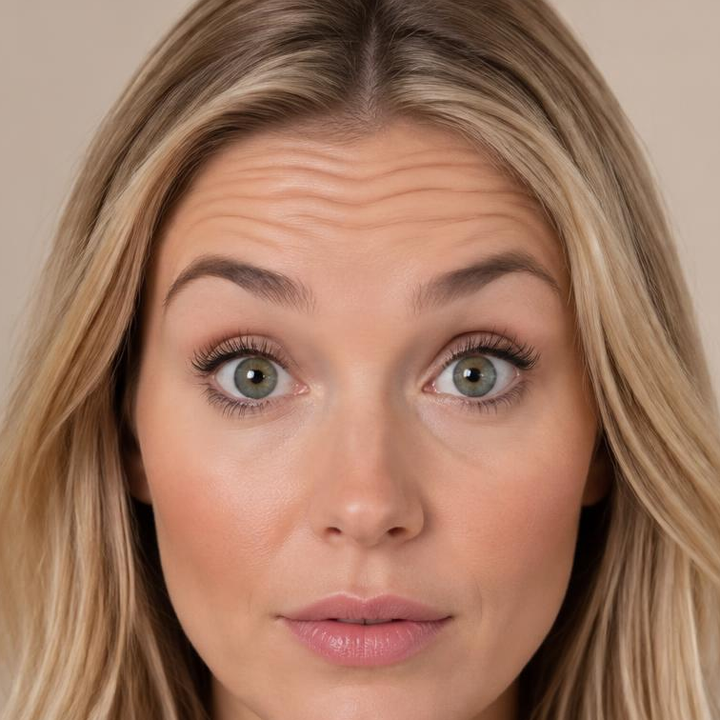
Botox may be used for forehead lines that appear when you raise your eyebrows. During consultation, your injector assesses how your forehead muscles move and how the area relates to your brows. A thoughtful plan aims to address the concern while considering natural expression. Whether forehead Botox suits you depends in part on your facial structure, earlier treatments, and how much change you want.
If forehead lines are what brought you from Emma to search for Botox near me, bring up the expressions or situations when you notice them most. Photos can help you describe your concern, but your injector will assess you in person. They can explain possible benefits, limitations and risks, and whether another area should be considered. Treatment is optional; you should feel comfortable asking questions before choosing to proceed.
Botox for frown lines or the '11s'
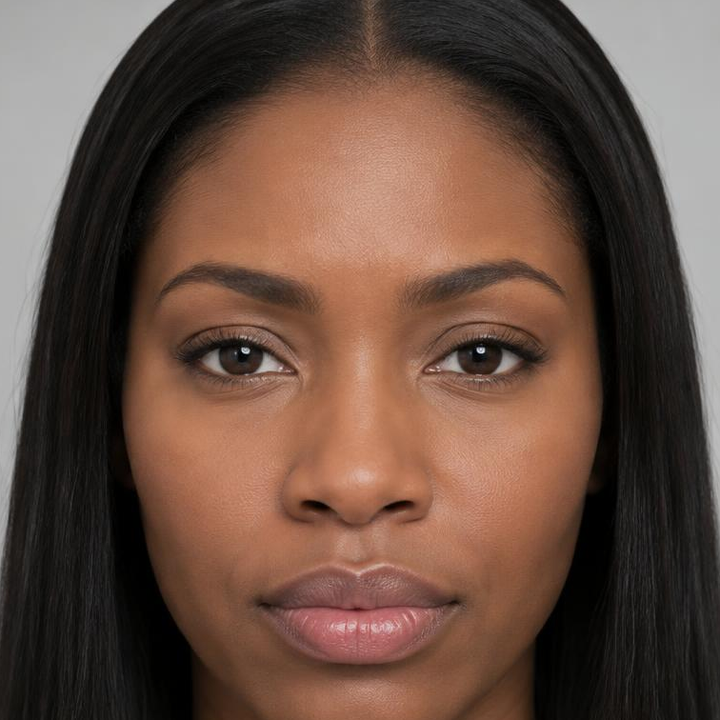
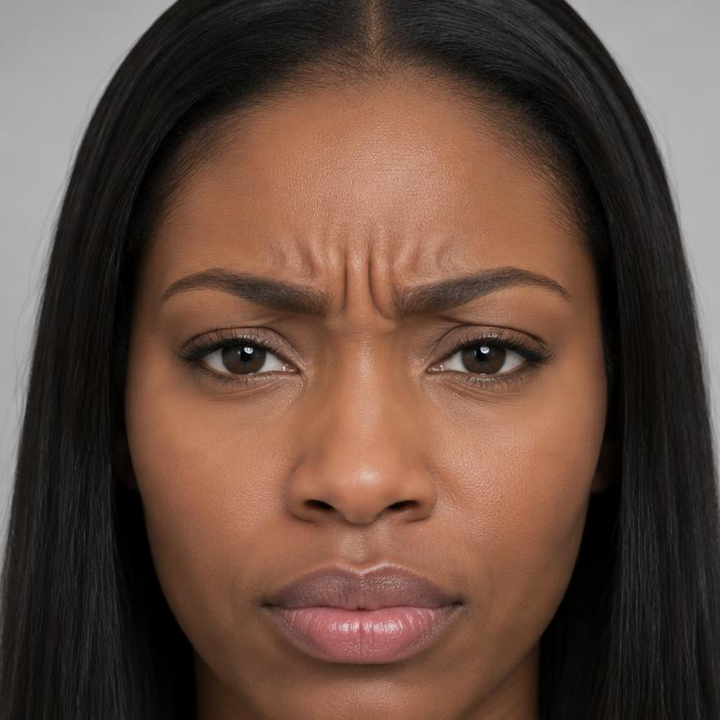
The vertical lines between the eyebrows are often called frown lines or '11s.' Botox may be used in this area to temporarily reduce the muscle activity that contributes to those lines. Your injector will look at how you frown and assess the area before recommending treatment. Lines that remain visible when the face is relaxed may respond differently from lines that show mainly during expression.
Emma residents considering Botox for the 11s can ask what a realistic change might look like for their own face. The aim is not to remove your ability to communicate with expression. Your provider can explain placement, possible side effects and how long to wait before evaluating the result. A follow-up discussion may be useful if you have questions once the treatment has had time to take effect.
Can Botox help crow's feet?
Crow's feet describe creases beside the eyes' outer corners, often accentuated by smiling or squinting. Botox may be considered to reduce activity in the muscles around this area for a time. Because the treatment is close to the eyes, the injector must assess your anatomy, movement and goals carefully. Share any eye-area concerns or previous procedures during your consultation.
For someone travelling from Emma, it helps to include crow's feet among the topics you want to cover at the appointment. Ask how treatment could affect your smile and what common temporary effects to watch for. Botox does not change every cause of lines, and outcomes differ from person to person. Your injector can help you decide whether the expected trade-offs fit your preferences.
Botox lip flip and brow lift options
A lip flip uses a modest dose of neurotoxin near the upper lip to alter its movement when you smile. A subtle brow-position adjustment may be achieved by treating specific muscles near the eyebrows with a Botox brow lift. These uses are not right for everyone, and the result is not the same as adding volume to lips or having a surgical lift. Your injector can explain the limits before treatment.
If you are in Emma and curious about either option, describe what you hope to change rather than requesting a dose you saw elsewhere. Your facial movement, anatomy and ability to tolerate possible effects inform the recommendation. A lip flip can temporarily affect how the upper lip moves, including with drinking or pronunciation. Discuss your daily needs and questions at consultation, and choose only after you understand the possible benefits and risks.
Botox for jaw clenching and masseter concerns
The masseter muscles help with chewing and can feel prominent or tense in some people. Botox may be considered for selected concerns involving these muscles, including jaw clenching, after an individual assessment. This treatment cannot take the place of an evaluation for jaw or dental concerns. Tell your injector about discomfort, dental care, headaches, previous evaluation and any changes in chewing so they can discuss whether referral or another step is appropriate.
People travelling from Emma should bring a clear account of when clenching occurs and what they have already tried. Treatment in the masseter can affect chewing strength or comfort, among other possible effects, so a careful discussion matters. Botox is not guaranteed to relieve jaw symptoms, and suitability depends on your circumstances. Your injector can outline risks, alternatives and what follow-up might involve before you decide.
Can Botox reduce underarm sweating?
Botox may be used to reduce underarm sweating by temporarily affecting the signals involved in sweat production in the treated area. It is a different treatment goal from softening expression lines, so the consultation should cover your symptoms and expectations. Share how sweating affects you, how long it has been happening and whether you have sought medical advice or tried other approaches.
For Emma residents considering Botox for underarm sweating, the injector can review whether this use is suitable and discuss potential risks and aftercare. Botox does not address every cause of sweating, and individual response and duration vary. When sweating starts suddenly, is intense, or comes with other symptoms, discuss it with a healthcare professional instead of presuming cosmetic care is suitable. Ask what follow-up is advised before scheduling.
How does a Botox consultation determine units?
There is no single unit amount that fits everyone. At consultation, your injector considers the areas you want treated, muscle activity, facial anatomy, goals and health history. They can explain the proposed product and plan, including how units are selected for each area. Because neurotoxin products differ, their unit measurements should not be compared as if they were identical or exchanged one for one.
Before travelling from Emma, write down your priorities and any questions about previous injections, medicines, allergies or medical conditions. The consultation is the time to discuss suitability, likely timing, possible effects and alternatives. KC Injectables Med Spa discusses pricing at consultation; no quote can be given from a general description alone. You are not required to proceed just because you have booked an assessment.
When does Botox start working, and how long does it last?
Botox effects do not usually appear immediately. Onset is generally within 3 to 14 days, though timing and degree of response vary by person, product and treatment area. Wait until the treatment has had a chance to work before evaluating it; use your injector's instructions on when to call the office about concerns. Do not assume that a lack of change on the first day means treatment failed.
Botox results often remain for around 3 to 4 months, though individual duration can differ and isn't assured. The treated area, your individual response and other factors may affect duration. If you are making the drive from Emma, plan around the possibility of a later check-in and ask how follow-up works. Your injector can discuss when another treatment might be considered, if appropriate.
Botox side effects, aftercare and when to wait
Possible temporary side effects include tenderness, redness, swelling or bruising around injection sites, and headache. Less commonly, unwanted muscle effects such as eyelid or brow drooping can occur. Seek urgent medical attention for trouble breathing or swallowing, severe allergic symptoms or other serious reactions. Tell your injector about allergies, medicines, health conditions and previous reactions before treatment so they can assess your individual risks.
After Botox, follow the specific instructions given by your injector. Avoid rubbing or massaging treated areas, and ask whether you should limit strenuous activity or remain upright for a period after your appointment. Wait and get medical guidance if you are pregnant or breastfeeding, have an infection at the planned injection site, a relevant neuromuscular condition, or a history of serious reaction. Your clinician can advise whether and when treatment is appropriate.